
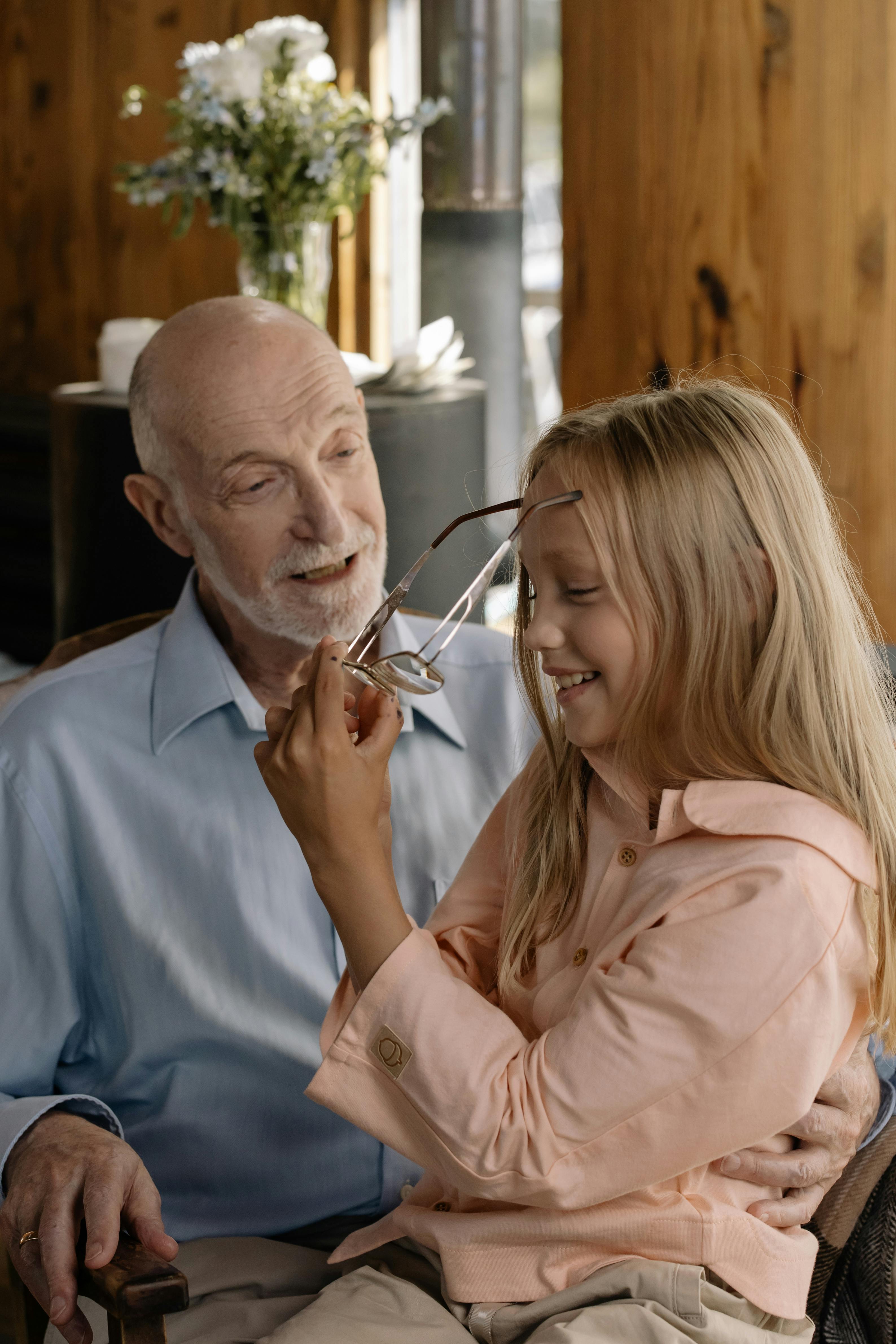
Family history can help reduce loneliness by strengthening belonging, identity, purpose, and intergenerational connection. In a digital age full of fragmented contact, preserving family stories can turn scattered memories into a meaningful legacy.
Loneliness is one of the most serious emotional challenges of modern life. It affects older adults, young people, families separated by distance, and even people who appear constantly connected online.
At first glance, the digital age should have made loneliness easier to solve. We can message instantly, share photos, join video calls, and stay updated on people’s lives almost continuously.
Yet many people feel more disconnected than ever.
The reason is simple: contact is not the same as connection. A person can have hundreds of online interactions and still feel unseen, unknown, and emotionally alone.
Family history offers a powerful response to this problem. When people engage with family stories, genealogy, traditions, and intergenerational memory, they gain more than information. They gain a deeper sense of belonging to a story larger than themselves.
Loneliness is not identical to social isolation.
Social isolation means having few social contacts or limited interaction with others. Loneliness is the painful subjective feeling of being disconnected, unseen, or separated from meaningful bonds.
A person can live alone and not feel lonely. Another person can be surrounded by people and still experience deep loneliness if those relationships lack authenticity or emotional closeness.
Loneliness is not only about the number of people in your life. It is about whether you feel known, valued, remembered, and meaningfully connected.
This distinction matters because modern loneliness often appears in surprising places. Young people may feel lonely despite constant digital access. Older adults may feel lonely after retirement, widowhood, illness, or reduced mobility. Families may be in frequent contact but still avoid deeper conversations.
At the heart of loneliness is often a lack of meaningful connection and continuity.
Family history addresses loneliness because it gives people a place in a larger relational story.
When you learn about your parents, grandparents, and ancestors, you begin to see your life as part of a broader pattern. You discover what your family survived, what they valued, where they came from, how they adapted, and what they passed forward.
This can reduce the feeling of being isolated in the present moment.
Family history strengthens identity
People understand themselves through stories. A strong identity is not only a list of personal traits. It is also a narrative: where you come from, what shaped you, what you carry, and what you hope to pass on.
Family history provides raw material for that identity.
A person who knows stories of family resilience, migration, creativity, sacrifice, faith, caregiving, or reinvention may begin to interpret their own life differently. Their challenges become part of a longer human story rather than isolated struggles.
Family history creates belonging
Belonging is not only physical closeness. It is the sense that you are part of something that matters.
Family stories create belonging by connecting individuals to a wider network of people, places, values, and memories.
A child who hears stories about grandparents may feel connected to people they never met. An adult researching ancestors may feel rooted in a wider history. An older person sharing memories may feel that their life still matters to younger generations.
Family history supports meaning
Loneliness is often connected with meaninglessness. People may feel that their experiences are disconnected, unrecognized, or temporary.
Family history counters that by creating continuity.
It helps answer questions such as:
This sense of meaning can be emotionally protective.
Nostalgia is sometimes misunderstood as sentimental escape. But meaningful nostalgia can be psychologically useful.
Memories of family, home, traditions, holidays, food, music, places, and loved ones can remind people that they have experienced connection before and can seek it again.
Nostalgia often centers on relationships. People rarely feel deeply nostalgic about isolated achievements or possessions. They feel nostalgic about shared moments, family rituals, voices, meals, journeys, and people who mattered.
Healthy nostalgia does not trap people in the past. It reconnects them with the emotional resources they can carry into the present.
Family history gives nostalgia structure. Instead of vague longing, it can become a meaningful archive of stories, photographs, recipes, voices, and values.
Family storytelling is one of the most effective ways to transform history into relationship.
When a grandparent tells a story, the listener receives more than facts. They hear tone, emotion, humor, regret, pride, and wisdom. They also experience the relational act of being trusted with memory.
Stories of vulnerability are especially powerful. Families do not become stronger only by sharing success stories. They often become stronger when they also share stories of hardship, failure, uncertainty, and recovery.
Store your most cherished memories and heritage safely on Heirloom.
Preserve our memoriesThese stories tell younger generations: difficulty is part of life, but it can be faced.
Active listening matters
Storytelling works best when the listener is truly present.
A family member sharing a memory needs to feel heard, not interrogated. The listener can ask gentle questions, reflect back what they heard, and show genuine interest.
This kind of listening communicates value. It tells the storyteller: your life matters, your experience matters, and your memory is worth preserving.
That alone can reduce loneliness.
Family history work is not only for older adults or genealogy enthusiasts. It benefits all generations.
For older adults, sharing stories can create purpose. They become memory keepers, mentors, and witnesses to family continuity. Their experiences are no longer private memories fading in isolation; they become gifts.
For younger people, intergenerational relationships provide perspective. Elders can help them understand aging, resilience, loss, work, love, mistakes, and long-term change.
Younger people may also gain self-esteem by contributing to an older relative’s life: recording their stories, helping organize photographs, cooking family recipes together, or preserving memories.
These exchanges reduce loneliness on both sides.
Family traditions and rituals create predictable moments of belonging.
They do not need to be elaborate. A weekly meal, holiday recipe, annual gathering, bedtime story, shared walk, birthday ritual, or regular call can become a powerful reminder that family connection is intentional.
Traditions say: this is who we are, this is what we repeat, this is what matters enough to return to.
Traditions can also evolve. A family may preserve an old ritual, adapt it for a new generation, or create something entirely new.
What matters is not perfection. What matters is repeated, meaningful connection.
Digital technology has created unprecedented opportunities for preserving family history.
Families can record audio, scan photographs, store videos, build digital trees, organize recipes, preserve letters, and collaborate across distance.
But technology can also fragment memory.
Photos may live on phones, cloud folders, social media accounts, old hard drives, and messaging apps. Stories may remain in voice notes, emails, or scattered conversations. Documents may be saved without context. Recipes may be photographed but never explained.
The result is digital clutter rather than digital legacy.
Storage is not the same as preservation
A cloud folder full of files is not necessarily a family archive.
A meaningful archive needs context:
Without context, digital memories can become as difficult to understand as an unlabeled box in an attic.
Digital preservation becomes powerful only when it turns fragments into stories.
Family history work does not require professional genealogy skills. It can begin with small, simple actions.
Record one story
Ask one older relative about a memory from childhood, a turning point, a family tradition, or a difficult time they overcame.
With permission, record the conversation. Even a short voice recording can become deeply valuable.
Label important photos
Choose ten family photos and add names, dates, places, and short explanations.
This small act can prevent future generations from inheriting anonymous images.
Preserve one recipe
Write down a family recipe with the story behind it.
Who made it? When was it served? What did it represent? What memories does it carry?
Create one family ritual
Start a regular family practice: a monthly call, shared meal, annual story night, holiday memory book, or photo-identification session.
Rituals create continuity.
Ask better questions
Instead of asking only for dates and facts, ask:
Good questions open the door to meaningful connection.
The platform can help families move from scattered digital material to an organized legacy.
Give them the home they deserve. Bring your family legacy into the digital age.
Start archivingIt is not just a place to store files. It is a structured space for preserving relationships, memories, values, stories, documents, and traditions.
Legacy Room
The Legacy Room brings family materials into one coherent environment.
Instead of leaving memories scattered across phones, emails, cloud folders, and social media, families can gather what matters in a space designed for long-term meaning.
Keepsakes
Keepsakes help preserve specific memories as story-based entries.
A Keepsake can include photos, video, audio, text, dates, and context. This makes it possible to preserve not only the image or recording, but the meaning behind it.
Family Tree and My Tribe
Family Tree and My Tribe help connect memories to people.
This is crucial because loneliness is often a feeling of disconnection. Seeing stories linked to family members, mentors, friends, and chosen family can strengthen a sense of belonging.
Family Cookbook
The Family Cookbook preserves recipes together with their stories.
Food is one of the most powerful carriers of memory. Recipes can preserve migration stories, holiday traditions, grief rituals, celebrations, and everyday love.
Weaver
Weaver can help users turn memories into stories through guided prompts.
This is useful for people who do not know where to begin or feel intimidated by writing. A few answers can become the beginning of a meaningful family narrative.
DocuVault
DocuVault provides a protected space for important documents and instructions.
Family history is emotional, but practical continuity matters too. Important records can be preserved with context so that future generations know what they are and why they matter.
Family history work becomes sustainable when it is treated as an ongoing practice, not a perfect project.
The modern loneliness crisis is not only a problem of insufficient contact. It is also a problem of insufficient meaning.
People need to feel that their lives are connected to others, that their stories matter, and that they belong to something larger than the present moment.
Family history can help meet that need.
It strengthens identity. It creates intergenerational bonds. It gives older adults a meaningful role. It gives younger people roots and perspective. It turns memories into shared resources.
Technology can either deepen fragmentation or support connection. The difference lies in intention.
When digital tools are used passively, they may increase comparison and loneliness. When used purposefully, they can preserve stories, support family relationships, and create a living archive of belonging.
Family history is more than nostalgia. It is a practical and emotional response to loneliness in the digital age.
By preserving stories, recording voices, organizing photographs, documenting recipes, and connecting memories to people, families create a sense of continuity that can protect against disconnection.
The work does not require perfection. It begins with one story, one question, one photograph, one recipe, or one conversation.
For older adults, this work can restore purpose and affirm that their lives matter. For younger generations, it can provide identity, resilience, and belonging. For the whole family, it can create a shared story strong enough to hold people across distance, time, and change.
The platform can support this process by helping families turn scattered files into an organized Legacy Room, where memories become stories and stories become connection.
In reconnecting with those who came before us, we can feel less alone now.
1. What is the difference between loneliness and social isolation?
Social isolation is an objective lack of contact with other people. Loneliness is the subjective feeling of being disconnected or emotionally unseen. Family history can help with both by creating actual intergenerational interaction and strengthening a deeper sense of belonging.
2. How much time does family history work take?
It does not need to take much time at first. You can begin with one recorded conversation, one labeled photo, one preserved recipe, or one short written memory. Small regular actions are often more sustainable than large projects.
3. What if my family history includes painful or sensitive stories?
Sensitive stories should be handled carefully, with respect for privacy and consent. Difficult history does not need to be hidden, but it should be shared in a thoughtful, age-appropriate way and framed with dignity, resilience, and compassion.
4. What is the best way to preserve digital memories?
Store memories in more than one place, add context such as names and dates, organize them by people or events, and use secure access controls. The most important step is turning files into understandable stories.
5. Can family history help older adults specifically?
Yes. Sharing memories can give older adults a renewed sense of purpose, reduce loneliness, and affirm that their experiences matter. It also allows them to contribute wisdom and identity to younger generations.
6. How do I start if I have no genealogy experience?
Start with what you already have. Ask a relative one question, record one story, identify people in one photo, or write down one family tradition. Meaningful family history work begins with curiosity, not expertise.

MyHeirloom gives you a dedicated Legacy Room—a private, secure space to collect photos, videos, documents, and stories.
Start now for free