
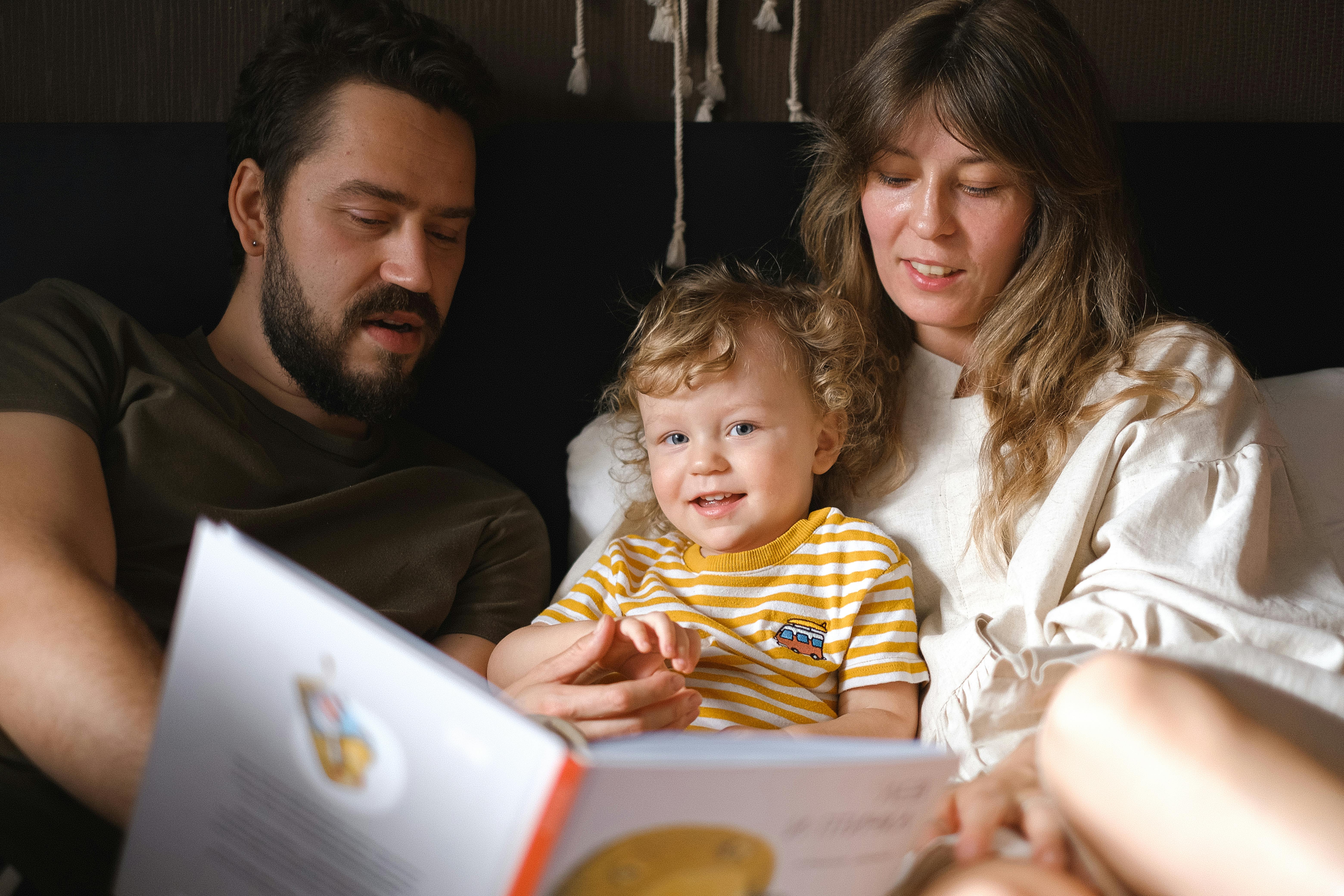
This guide examines how to choose meaningful, practical gifts for family history lovers and how MyHeirloom turns those gifts into a lasting, organized family legacy.
Thoughtful gifting for family history lovers requires far more than buying the latest genealogy gadget or a decorative family tree print. It means understanding the emotional and practical needs of people who care deeply about ancestry, stories, and intergenerational continuity, and then selecting gifts that genuinely help them preserve, explore, and share what matters. Drawing on current recommendations for genealogy gifts, this article examines the main categories of presents available today—from DNA tests, subscriptions, and archival tools to maps, photo books, and high-end experiences—and evaluates which of them are truly useful.
Against this backdrop, the article introduces MyHeirloom as a privacy-first digital platform that complements these gifts by turning scattered media, documents, and memories into a structured Legacy Room with Keepsakes, a Family Tree, My Tribe, Family Cookbook, DocuVault, and guided storytelling via Weaver. Rather than focusing solely on "what to buy," it explains how to design a gift strategy around different life situations—aging parents, young families, serious genealogists, dispersed relatives, and memorial contexts—and shows how combining physical items with a digital legacy space creates more durable value than either alone.
Interest in family history has steadily grown over the last two decades, fueled by accessible online archives, consumer DNA testing, and a general cultural turn toward identity, belonging, and personal narrative. At the same time, the market for genealogy-related gifts has expanded rapidly, offering everything from DNA kits and subscription packages to archival boxes, custom maps of ancestral homelands, and luxury heritage travel experiences. Yet many families still struggle with a basic question when birthdays or holidays arrive: what should you actually give to someone who loves family history, and how can you avoid gifts that feel generic or quickly lose their relevance?
This question matters because family history enthusiasts are not simply hobbyists collecting data for its own sake. For many, genealogy is intertwined with grief, migration histories, cultural roots, religious identity, or unresolved family questions, and gifting in this area touches on sensitive emotional territory. A poorly thought-out gift can emphasize gaps in knowledge or obligations rather than support meaningful enjoyment, whereas a well-chosen gift can validate a person’s commitment to preserving stories and create tangible progress in their research or archiving journey.
Another complication is the increasing digitization of memory, where photos, videos, messages, and documents now live across multiple devices and cloud services without any organizing system. Ordinary storage tools capture fragments of life but rarely make it easy to connect those fragments into a coherent story or to ensure that they remain accessible and understandable for future generations.
A physical gift—such as an archival box or a printed family tree—may help with one part of the preservation puzzle but does not by itself solve the broader challenge of integrating digital and analog materials into a single, navigable family archive. This is where platforms like MyHeirloom come in. MyHeirloom is designed as a digital Legacy Room where people can combine multimedia Keepsakes, relationship mapping through My Tribe and a Family Tree, recipe preservation via Family Cookbook, and secure document organization in DocuVault into one structured environment.
When thinking about gifts for family history lovers today, it is useful to consider how those gifts can be anchored within a digital platform that keeps the resulting stories and artifacts connected over time. It is not merely about storing files; it is about adding context, narrative, and relational meaning to those files so that a legacy feels both organized and alive.
This article takes a deliberately practical and analytical approach to gift selection. It first explores who family history lovers are and what they typically need, then surveys the main categories of genealogy gifts available according to recent recommendations from family-history organizations. It then moves from cataloging options to examining what makes a gift genuinely useful and sustainable, and how MyHeirloom can transform a collection of well-meant objects into an enduring, privacy-first legacy.
Understanding family history lovers and their needs
Who are "family history lovers"?
The term "family history lover" covers a wide and heterogeneous group of people. At one end of the spectrum are dedicated genealogists who spend many hours each week examining records, building complex family trees, and writing narrative accounts of ancestral lives. These individuals are often highly familiar with archive systems and digital tools, and they may already subscribe to major genealogy services.
At the other end of the spectrum are people whose primary interest is preserving memories and stories rather than conducting formal genealogical research. They may be parents who want to keep track of a child’s milestones, adult children who are gently interviewing aging parents, or grandparents who wish to assemble family recipes and photo albums for younger generations.
Between these poles lies a broad middle group: people who are curious about their roots and who may have dipped into online trees or DNA testing, but who do not consider themselves professional-level researchers. Many of them encounter genealogical questions in the process of managing everyday life, such as clearing out a relative’s home, handling estate paperwork, or trying to interpret a box of unlabeled photographs.
When selecting gifts for this group, it is important to recognize that tools which feel intuitive and emotionally supportive tend to be more valuable than highly technical solutions. Many are driven by identity questions related to migration, ethnicity, religious conversion, or blended families, topics that consumer DNA tests and narrative storytelling tools can both help illuminate.
Family history lovers also include individuals and families shaped by loss. The death of a parent, partner, or child often prompts renewed attention to stories, photos, and documents, as relatives try to preserve what they can and create meaningful memorials.
Platforms like MyHeirloom, which allow the creation of Patron accounts for loved ones and support Trustee-based continuity, help embed memorial content within an ongoing legacy framework. This ensures that memories are not limited to a single moment of remembrance but are preserved systematically.
Emotional and practical motivations
People who care deeply about family history often combine emotional motivations with practical goals. Emotionally, they may be looking for a sense of continuity, belonging, or reconciliation. Researching ancestors can help someone feel connected to a wider lineage, understand historical migrations, and construct a narrative in which their life has a place in a longer story.
Practical motivations can include organizing documents for estate planning, ensuring crucial information is accessible, or simply reducing the chaos of scattered photos and memorabilia. Addressing these needs directly reduces the administrative and emotional burdens on family members during life transitions.
This dual motivation shapes the kinds of gifts that are useful. A purely emotional gift might feel touching at first but quickly lose value when the recipient returns to their daily struggle of organizing records and stories. Conversely, a purely utilitarian gift may feel impersonal or like a nudge toward more work.
The most effective gifts usually bridge this gap, providing both emotional resonance and practical support for the recipient's archiving journey. For example, a custom family tree artwork combined with a serious archival storage box for photos allows a person to enjoy a visible representation of their lineage while also taking concrete steps toward preserving source material.
MyHeirloom is designed with this duality in mind. The Legacy Room offers creative features, such as multimedia Keepsakes and a Life Timeline for memories, alongside structurally serious tools like DocuVault for sensitive documents and My Tribe for relationship mapping.
A digital MyHeirloom account can be paired with emotionally rich gifts while providing a long-term infrastructure for storing the resulting files and narratives. The recipient gains not only a moving object or experience but also a space in which its significance can be articulated, stored, and connected to other parts of their story.
Common frustrations and mistakes
Understanding common frustrations helps avoid gifts that unintentionally reinforce them. One frequent challenge is fragmentation. Family history lovers often have data and memories spread across multiple platforms and boxes: record subscriptions, email threads, photo folders, social media posts, notebooks, and physical albums.
Gifts that add yet another isolated container may deepen fragmentation unless they are integrated into a broader, cohesive system. Similarly, many enthusiasts struggle with the lack of context around photos and documents.
Without dates, names, and narratives, a picture of a group of relatives can become opaque within a generation or two, even if the file itself is technically preserved. A second common mistake is choosing gifts that reflect what the giver finds attractive rather than what the recipient actually needs.
A common mistake is choosing gifts that reflect what the giver finds attractive rather than checking what the recipient actually needs. For example, someone might buy a DNA test kit for a relative who has already taken multiple tests, or gift yet another genealogy book to a person who already has extensive experience.
If a decorative family tree artwork includes incorrect information because the recipient’s research was not verified beforehand, it can create friction between aesthetic display and accurate research, forcing the recipient to either ignore the piece or tolerate errors.
Many family history gifts implicitly demand more work, such as a subscription that requires hours of research or a blank album that must be filled. While these tools can be invaluable, they are most effective when offered with support, guidance, or a realistic plan.
Some organizations explicitly recommend pairing technical gifts with the donor’s time, such as helping a recipient through a DNA testing process or assisting with photo scanning and archiving. MyHeirloom aligns well with this ethos because it not only provides structured spaces for Keepsakes, Family Tree entries, and DocuVault documents, but also offers Weaver as a conversational guide to help users reflect on memories and shape narratives.
By considering these daily frustrations, gift-givers can select items and platforms that alleviate rather than intensify complexity. This ensures that the act of giving supports real progress.
Categories of gifts for family history lovers
Having sketched the needs and challenges of family history enthusiasts, it is helpful to organize potential gifts into several broad categories. These include research and discovery tools, archiving and organization aids, display and storytelling gifts, experiential offerings, and symbolic items.
This section synthesizes current suggestions from family-history blogs, commercial gift guides, and educational resources to describe what each category includes and how it might serve different recipients.
Research and discovery tools
Research and discovery tools are gifts that expand a recipient’s ability to uncover new information about their ancestry. They include DNA test kits, memberships to genealogical or historical societies, subscriptions to online record services, and access to online classes or webinars.
Consumer DNA test kits remain among the most commonly recommended gifts for genealogy buffs, providing ethnicity estimates and relative matching. Autosomal DNA tests can reveal migration patterns that complement paper-based research.
Product-focused articles emphasize kits that combine ethnicity breakdowns with relative-matching tools and family-tree integration, positioning them as strong options for family-history fans who want genetic context. However, for those who have already taken multiple tests, additional kits may offer diminishing returns unless they come from a different provider with unique databases.
Memberships to genealogical societies and subscriptions to online record platforms connect researchers with specialized collections and regional expertise. Local historical societies or regional genealogical organizations often provide access to unique local events and expert guidance.
Major online platforms give access to billions of records, tools for building and sharing family trees, and sometimes integrated DNA analysis. Gift guides note that such subscriptions are particularly helpful for enthusiasts who have hit dead-ends using free resources or who want to dig deeper into their trees.
Online genealogy classes and webinar subscriptions provide structured learning that enhances a researcher's long-term skills. This can be especially valuable for recipients who feel uncertain about research techniques or want to explore specialized topics, such as migration histories or advanced DNA analysis.
To illustrate the differences among research gifts, consider the following comparative table:
DNA test kit
Record subscription
Genealogical society membership
Online genealogy classes/webinars
From a MyHeirloom perspective, research and discovery gifts can be framed as inputs that generate data and stories, whereas the platform serves as an organizing environment where those outputs are preserved with context. A recipient who receives a DNA test and a record subscription can use MyHeirloom’s Keepsakes feature to document the experience of taking the test, their reactions to the results, and the narratives they build around discovered relatives. They can also use the Family Tree tool to represent both genealogical lines and non-genetic relationships, and My Tribe to profile close connections, creating a more holistic picture than a traditional tree alone.
Archiving and organization gifts aim to help recipients physically and digitally preserve existing material. They include archival storage boxes, binders, notebooks, scanners, and digital storage devices.
Acid-free storage boxes and archival supplies are highly practical gifts that protect physical records and photos from environmental damage. Archival storage boxes with drop-front designs make family records easier to access, keeping materials neat and secure.
Other tools include archival gloves, tissue paper, and photo storage boxes to handle and preserve old photos and documents with professionalism, protecting them against deterioration. Related suggestions include archival binders with group sheets and printable forms that help genealogists organize their findings in physical form.
Digital organization tools such as external hard drives provide a reliable way to back up extensive research files and media. These tools protect against sudden data loss and ensure long-term redundancy.
Quality scanners for photos and documents are described as practical investments that save space and allow albums and boxes of photographs to be converted into digital files. Some resources mention services that turn blogs into printed books or custom archivist assistance that helps sort, purge, digitize, and organize photos on behalf of families.
Archival photo/document box
Archival binder/organizer kit
External hard drive
Photo/document scanner
MyHeirloom complements archiving gifts by providing a central digital space where scanned items and organized files can be transformed into contextualized memories. Once photos are scanned using a gifted device, recipients can upload them as Keepsakes, add written narratives, audio commentary, or video reflections, and connect them to specific people via My Tribe and Family Tree. DocuVault, the secure document area, provides a fitting destination for digital copies of important records that require privacy, such as estate planning notes, property documents, or medical history summaries, while ensuring they remain distinct from creatively shareable Keepsakes. In this way, MyHeirloom helps recipients avoid the common mistake of simply moving chaos from physical boxes to unstructured digital folders.
Display and storytelling gifts focus on making family history visible and narrative-rich. They include framed family trees, pedigree charts, photo books, maps, biography projects, scrapbooks, and decorative elements.
Framed family trees and pedigree charts They range from simple charts that display lineage back to great-grandparents to custom artistic renderings that show multiple generations in visually engaging formats.
Some guides highlight handmade family tree charts as decorative wall art that adds a touch of history to a home while honoring ancestry. Others emphasize fill-in posters that permit recipients to complete six-generation charts and use them as both organizational tools and display pieces.
Traditional pedigree charts While highly readable, this direct-line structure can be a limitation for recipients interested in documenting broader kin networks.
Give them the home they deserve. Bring your family legacy into the digital age.
Start archivingPhoto-based gifts are equally prominent. Family tree photo books that combine images with narrative captions are recommended as more engaging alternatives to traditional diagrams. Scrapbooks that convert old albums and loose prints into curated sequences of photos, texts, and memorabilia are described as heirloom-quality gifts.
Custom coffee table books and family scrapbooks These items bridge generations by turning loose memories into physically bound stories.
Maps and place-based artworks add a geographical dimension. Several guides suggest maps of ancestral homelands or antique maps of countries or regions of origin as aesthetically pleasing and educational gifts. Such maps can serve as conversation starters, teaching younger generations about migration paths.
Homeland maps and historical travel books This bridges personal timelines with historical movements.
Framed family tree / pedigree chart
Family photo book / scrapbook
Ancestral homeland or antique map
Family biography / coffee table book
MyHeirloom can function as an invisible backbone behind these visible gifts. For example, a custom family tree print can be based on data carefully maintained in MyHeirloom’s Family Tree, where relationships, explanations, and alternative lines are stored more richly than a single artwork can show. A photo book can be created as a physical counterpart to a series of Keepsakes that hold full-resolution images, audio recordings, and more extensive text. The Life Timeline feature allows recipients to see the chronologically organized version of stories that might be presented in a printed biography, making the digital and physical forms mutually reinforcing rather than competing.
Experiential and high-end gifts
Some of the most impactful gifts for family history lovers involve experiences rather than objects. High-end gift guides mention heritage travel tours, professional interviewing or biography services, and extensive photo-organization packages as premium options for families willing to invest more resources.
Heritage travel tours allow families to explore ancestral regions and stand in locations from which their ancestors emigrated, creating deep sensory connections. These experiences are often framed as once-in-a-lifetime journeys that connect abstract research with embodied presence, turning names and dates into vivid sensory memories.
Professional life-story interviews and biography packages are another high-end category. Several sources suggest hiring a professional interviewer or writer to conduct recorded sessions with aging relatives, then transform those conversations into structured life stories or memoirs.
Hiring professional interviewers or photo organizers can relieve family members of technical pressure while ensuring narratives are successfully captured. This guarantees high-quality outputs while removing the direct logistical burden from family members.
Because experiential gifts produce large amounts of media and narrative content, they especially benefit from being embedded in a platform like MyHeirloom. A heritage travel tour might be documented as a series of Keepsakes with photos, videos, and reflections, linked to ancestral locations via metadata and connected to relevant people in My Tribe. Professional interview recordings can be stored as audio or video Keepsakes, with transcripts and additional commentary added over time. Photo-organizer outputs can be uploaded into DocuVault and Keepsakes, organized by topics and dates, and linked to the Family Tree to contextualize who appears where.
Fun and symbolic gifts
Not every gift needs to be a heavy investment or a complex tool. Fun and symbolic items help recipients express their interest in family history and keep the topic present in everyday life. Genealogy-themed mugs, humorous t-shirts, ornaments with family photos, or light-hearted stationery are commonly mentioned in gift guides.
A symbolic gift becomes far more meaningful when paired with a substantive platform or tool that signals real support for the recipient's passion. A mug with a genealogy joke becomes more meaningful when given alongside a subscription or a MyHeirloom account.
Photo ornaments for holiday trees can serve as prompts for relatives to ask about the stories behind each image, which can then be captured in MyHeirloom as Keepsakes. In this way, even light-hearted gifts can contribute to legacy-building when they spark conversation and reflection.
From objects to legacy: What makes a gift actually useful
Surveying categories of gifts reveals an abundance of options, but not all are equally helpful. What distinguishes a truly useful gift for a family history lover from a well-intended but superficial one? This section articulates several criteria: alignment with the recipient’s stage and style, capacity to reduce rather than increase fragmentation, support for context and narrative, inclusivity for different family members, and sensitivity to privacy and emotional boundaries.
Alignment with stage and style
Gifts are most effective when they meet recipients where they are. A beginner who only recently became curious about family stories might benefit more from accessible tools and gentle prompts than from advanced record subscriptions or specialized DNA analysis.
An experienced genealogist might appreciate archival tools or opportunities to share their work, while a beginner needs accessible tools and gentle prompts. A busy parent of young children may prioritize easy ways to record milestones and recipes, whereas an adult child of aging parents might focus on capturing life stories, organizing documents, and preparing for eventual transitions.
The style in which someone prefers to work also matters. Some family history lovers enjoy hands-on research and paper-based organization; they are comfortable filling out charts, maintaining binders, and physically visiting archives. Others prefer digital workflows and apps, keeping notes in software, scanning photos, and building trees online.
Givers should consider whether the recipient leans toward hands-on paper methods, digital organization, or purely sentimental display pieces. A gift that pushes someone into a workflow they find uncomfortable may go unused, whereas one that strengthens their existing habits can create immediate value.
MyHeirloom is deliberately designed to accommodate different styles while providing a unified structure. Users can upload scanned documents, photos, audio, and video into Keepsakes, making it suitable for both analog-to-digital conversions and born-digital materials.
MyHeirloom's layout accommodates visual, relational, and chronological thinkers, allowing multiple entry points into organizing family history. Those who enjoy narrative writing can develop rich stories, while those who prefer minimal text can rely on images and shorter reflections. The platform’s combination of Family Tree, My Tribe, and Life Timeline allows different minds to find intuitive pathways.
Reducing fragmentation
As noted earlier, fragmentation is a core challenge: information and memories are scattered across devices, boxes, and platforms. Gifts that increase the number of containers without providing a plan for integration risk exacerbating the problem. The most useful gifts either consolidate existing materials or create a hub around which future content can be organized.
External hard drives and scanners may simply shift the location of physical chaos to digital folders unless accompanied by a structured organization system. Archival boxes and binders reduce physical fragmentation by bringing dispersed photos and documents into well-structured containers, but they still require systematic curation.
DNA tests and subscriptions produce new data that must be incorporated into existing research frameworks. In all these cases, a digital platform like MyHeirloom can serve as the integrative hub. Instead of leaving scanned photos in unnamed folders, they can be uploaded as Keepsakes with descriptions and linked to people in My Tribe.
A MyHeirloom account can act as an integrative hub, transforming separate physical and digital inputs into a unified family archive. Instead of letting DNA results sit in an isolated provider account, users can create Keepsakes that reflect on their findings, attach screenshots or summaries, and place them in conversation with historical records stored in DocuVault.
Supporting context and narrative
A photo without a caption, a document without explanation, or a DNA result without reflection loses meaning over time. Useful gifts not only preserve artifacts but also encourage or enable the addition of context, narrative, and relationships.
Useful gifts do not merely preserve physical artifacts but actively encourage the addition of context, narrative, and relational meaning. A blank album becomes more powerful when accompanied by prompts for writing stories around each image. A family tree chart gains depth when recipients are encouraged to note occupations, migrations, or key life events alongside names and dates.
Several gift guides implicitly recognize this by recommending workbooks, organizers, and memoir-writing kits that include spaces for memories, logs, traditions, family records, and recipes. Autobiography kits are described as tools for anyone wanting to tell their life story, providing structured questions and templates to guide reflection.
The conversational guide Weaver helps users reflect on memories and shape narratives, removing the intimidation of writing from scratch. As an AI-based guide, Weaver can ask users questions about their memories, relationships, and experiences, helping them recall details and articulate stories.
Keepsakes serve as the digital containers for those narratives, integrating text, photos, audio, and video into multimedia scrapbook entries. The Life Timeline then organizes these Keepsakes chronologically, enabling users to see their stories unfold over time. In this way, MyHeirloom adds layers of meaning that complement physical narrative gifts such as memoir kits or photo books.
Inclusivity and family dynamics
Family history is rarely a solitary pursuit; it intersects with complex relationships, including estranged relatives, conflicting memories, and diverse levels of interest. Gifts that presume a single “story owner” or that ignore family dynamics may inadvertently create tension.
Emphasizing one branch of a family too heavily or pushing relatives into unexpected research can create relational tension. For example, emphasizing one branch of a family over another in a prominently displayed artwork may make some members feel less seen. Pushing a reluctant relative into intensive genealogy research via a subscription they did not request may create pressure rather than joy.
Useful gifts often create spaces for multiple voices and perspectives. Photo books can include contributions from several siblings or cousins. Family tree projects can acknowledge non-biological relationships such as adoption, step-families, and chosen kin, not just bloodlines.
By supporting both genetic and non-genetic relationships, MyHeirloom allows users to build inclusive trees that reflect true family bonds. The Family Tree supports genetic and non-genetic connections, including marriage, adoption, step-family structures, and unmarried partners. My Tribe profiles can include not only relatives but also mentors, friends, colleagues, and other significant figures.
Patron accounts make it possible to create separate Legacy Rooms for others—children, deceased partners, parents—each with its own content and focus, while Trusteeship allows trusted individuals to care for accounts after passing. When given as part of a gift strategy, MyHeirloom therefore offers an inclusive framework in which multiple stories and roles can coexist.
Privacy and emotional boundaries
Gifts in the domain of family history and legacy inevitably touch on sensitive topics: illness, death, family security, conflicted memories, and personal regrets. A truly useful gift respects privacy and emotional boundaries, both in its content and its technical design.
Tools that force public sharing can backfire, particularly when families are processing grief, complex histories, or sensitive transitions. Giving someone a platform or tool that exposes their data unnecessarily or forces them into public sharing can easily backfire. Physical gifts like archival boxes, binders, and photo books are naturally private, though they can still raise questions about who will see them and when.
Digital platforms must be chosen with care. Ordinary social media platforms, for instance, are designed for public sharing rather than long-term preservation, and they may not offer the kind of controlled visibility or dedicated structure that personal legacy preservation requires.
The secure DocuVault feature requires distinct access credentials, ensuring that sensitive documents remain private and protected. Accounts are private by default, and users can decide which Keepsakes or recipes, if any, become public or are shared via specific URLs. DocuVault is explicitly designed for the secure organization of sensitive documents, requiring a distinct secure access password or PIN, with options to keep content private during the user’s lifetime and managed transition options thereafter.
While MyHeirloom is a digital platform and not a legal service or a guarantee of permanent preservation, it provides a structurally thoughtful, secure environment in which users control what is seen and by whom, aligning with ethical considerations around gifting in this sphere.
Integrating digital legacy platforms: How MyHeirloom elevates gift-giving
Having examined what makes gifts genuinely useful, we can now consider in more detail how MyHeirloom can be integrated into gift strategies for family history lovers. MyHeirloom does not replace physical gifts or traditional tools; instead, it acts as a central, context-rich space where the outputs of those gifts—stories, media, documents, and relationships—can be organized and preserved.
MyHeirloom as a legacy room for gift outputs
At the heart of MyHeirloom is the Legacy Room, a secure digital environment where users manage the main strands of their personal or family narrative. Within this space, five content features play distinct roles: Keepsakes, My Tribe, Family Tree, Family Cookbook, and DocuVault. The Life Timeline overlays these features with chronological visualization, and Weaver supports storytelling throughout.
Physical and digital gifts can seamlessly map to MyHeirloom features, allowing photos, DNA insights, and records to enrich one centralized space. DNA test kits and record subscriptions generate discoveries that can be turned into Keepsakes describing the process and findings. Archival boxes and scanners produce digitized photos and documents that can be uploaded and contextualized in Keepsakes and DocuVault.
Family tree artworks and pedigree charts reflect information that can be stored and updated in MyHeirloom’s Family Tree, providing a more dynamic rendering than static prints. Recipe collections and cookbooks find their digital counterpart in Family Cookbook, where recipes can be preserved with stories about who cooked them, when, and why they matter.
Interlinking memories ensures that a single travel keepsake or interview is naturally connected to family members and timeline milestones. A single Keepsake about a heritage travel tour can include photos, videos, travel documents, and reflections, while being linked to relevant ancestors in the Family Tree and to modern relatives in My Tribe. DocuVault entries can cross-reference narratives in Keepsakes, indicating where relevant records relate to the family story.
Patron accounts and gifting for others
One of MyHeirloom’s distinctive features is the ability to create Patron accounts: secondary Legacy Rooms for or about another person, such as a child, parent, partner, friend, or deceased loved one. This is particularly relevant for gifting, because many presents are not about the giver’s own legacy but about preserving someone else’s story.
Patron accounts provide a structured way for family members to collaborate on preserving the legacy of parents, children, or partners. For example, adult children might gift their aging parent a combination of a biography project and a MyHeirloom Patron account. The professional interviewer records the parent’s stories, while the Patron account becomes the digital repository where those recordings, transcripts, photos, and documents are organized into Keepsakes and a Life Timeline.
The children can help set up My Tribe profiles for key relatives and connect the stories to a Family Tree, ensuring that future generations can navigate the parent’s legacy. Similarly, a new parent might receive a MyHeirloom Patron account for their baby along with physical keepsake items such as a milestone book or personalized photo album.
This dual-structure approach respects the immediate sentimental value of physical albums while establishing a durable, searchable digital archive. Over time, each milestone can be recorded both physically and digitally, with the Patron account serving as a long-term archive that can eventually be transferred to the child when they are old enough.
Trusteeship and long-term continuity
Gifts in the realm of legacy are inherently future-oriented, and this includes consideration of what happens to digital accounts after a user’s passing. MyHeirloom addresses this through Trusteeship, a mechanism by which users can invite one or more trusted individuals to manage their Legacy Room posthumously, under well-defined permissions, once their passing has been verified.
Trusteeship acts as a safeguard, ensuring that the years of effort poured into organizing a legacy room are preserved for subsequent generations. While Trusteeship is not itself a gift, it intersects with gifting in important ways. A person might receive MyHeirloom as part of a birthday or retirement gift, set up their Legacy Room, and later invite a child or spouse as a Trustee.
Trustees can access content according to the user's settings, administer certain features, and help maintain the legacy, but they do not own or replace the user's legal estate. In effect, the original gift evolves into a multi-generational asset.
While MyHeirloom is not a replacement for a legal will, its transition features provide clear, secure access pathways for families. It is important to clarify that MyHeirloom is a digital preservation platform, not a legal service or a will replacement. Its role is to facilitate narrative and personal legacy continuity rather than formally manage estates or legal distributions. Still, in combination with other gifts, Trusteeship can help families feel more confident that their stories and important records will remain accessible to those who need them.
Digital platforms and traditional gifts
Is a cloud folder enough for preserving family history?
Ordinary cloud folders are useful for backing up files, but they typically lack the structured features needed for meaningful legacy preservation. They rarely provide integrated story prompts, relationship mapping, timelines, or differentiated spaces for creative memories versus sensitive documents. As a result, content can become difficult to interpret over time, especially for relatives who were not involved in its creation. A platform like MyHeirloom adds narrative and relational layers, making it easier for future generations to understand what they are seeing rather than simply inheriting a mass of files.
What is the difference between storing files and preserving a legacy?
Storing files focuses on the technical preservation of data—ensuring that photos, videos, and documents do not disappear. Preserving a legacy involves organizing that data within a coherent framework of stories, relationships, timelines, and context, so that it conveys meaning. Legacy preservation also considers privacy, emotional boundaries, and intergenerational accessibility. MyHeirloom is built around legacy preservation rather than mere storage, which is why it includes features like Keepsakes, Family Tree, My Tribe, Family Cookbook, DocuVault, and Weaver.
How can I record memories without writing a full memoir?
Recording memories does not require producing a complete book. Short, focused entries—based on specific events, people, or places—can be highly effective. In MyHeirloom, each Keepsake can focus on a single memory or theme, combining text, images, audio, or video as desired. Weaver can help by asking prompts and assisting with phrasing, making the process feel more like a guided conversation than formal writing. Over time, these Keepsakes accumulate into a rich mosaic of stories.
Designing a thoughtful gift strategy for different family situations
While generic lists of “top gifts” can be inspiring, they often fail to account for the specific contexts in which family history lovers live. This section outlines several common scenarios—aging parents, young families, serious genealogists, dispersed relatives, and memorial situations—and suggests how MyHeirloom and various gift types can be combined in each case to create a coherent and sensitive strategy.
Aging parents and grandparents
Adult children often find themselves wanting to capture the stories and practical knowledge of aging parents or grandparents before health decline or death makes it impossible. In this scenario, gifts should prioritize storytelling support, document organization, and emotional comfort.
Storytelling tools, memoir kits, and archival storage binders are ideal for older relatives as they prioritize emotional comfort and memory preservation. Memoir kits, biography services, and interview packages can be especially valuable, as they provide structured ways to talk about life experiences. Archival boxes and binders help older relatives organize photos and papers that may currently be in disarray. At the same time, it may be beneficial to avoid overwhelming them with highly technical digital tools unless someone can offer substantial help.
MyHeirloom can be introduced here through a Patron account or by helping the parent create their own Legacy Room. The adult children might, for example, gift a combination of a biography project and a MyHeirloom account, with the explicit offer to assist in uploading interview recordings, photos, and documents into Keepsakes.
Collaboratively building the parent's Family Tree and establishing clear DocuVault settings can gently introduce continuity planning. My Tribe profiles can be created for key people in the parent’s life, and a Family Tree can be built collaboratively, with the parent’s input. DocuVault can store important personal documents, such as copies of health records or legacy letters, with clear privacy settings and trust discussions.
The emotional tone of gifting in this context should be calm and appreciative, emphasizing the desire to honor the parent’s experiences rather than to extract information. The combination of analog and digital gifts allows older relatives to engage at their comfort level while ensuring that their stories and documents are accessible to future generations.
Young families and new parents
New parents and young families often have limited time but a strong desire to record milestones, traditions, and everyday moments. Gifts for them should focus on simplicity, enjoyment, and flexibility. Milestone books, photo albums, family recipe collections, and playful decor items like personalized family tree prints can all be well received.
Young families are typically more interested in capturing current milestones and traditions than embarking on exhaustive historical research. It is important to recognize that these families may not yet be deeply engaged in formal genealogy; they are more likely to be interested in preserving current memories than researching ancestors.
MyHeirloom fits naturally here as a long-term digital home for the family’s growing story. Givers might provide a MyHeirloom account along with a physical milestone book, explaining that each milestone can be photographed or recorded and then turned into a Keepsake with added context.
Store your most cherished memories and heritage safely on Heirloom.
Preserve our memoriesPairing physical milestone books with a digital Keepsake space allows busy parents to easily record their family's early chapters. The Family Tree can start with immediate relatives and expand as the family discovers more about their ancestry. Family Cookbook offers a place to preserve recipes connected to early parenthood or inherited from grandparents, with notes about rituals and meaning. Over time, the Life Timeline will show the child’s development and the family’s evolution.
In this scenario, the emphasis should be on gentle introduction rather than heavy expectation. MyHeirloom’s free basic plan can serve as a low-pressure starting point, with parents exploring features at their own pace. The gift’s value lies not only in immediate usage but in establishing a structure that will remain relevant for years.
Serious genealogists and hobby researchers
For serious genealogists—those who already subscribe to major platforms, attend webinars, and maintain extensive trees—gifts must respect their expertise and avoid redundancy. Advanced tools, educational resources, and high-quality archival materials are likely to be appreciated. DNA kits may be useful if they come from providers whose databases the recipient has not yet accessed.
Advanced researchers often appreciate highly specialized memberships, archival-grade equipment, or external storage drives to safeguard their data. Memberships in specialized genealogical societies related to niche topics or regions can deepen their research. External hard drives, scanners, and archival boxes can support their ongoing work.
MyHeirloom can be framed here less as a research tool and more as a narrative and legacy platform. Many genealogists accumulate vast amounts of data but struggle to convert it into coherent stories or family-friendly outputs for relatives who do not share their level of technical interest.
MyHeirloom allows dedicated genealogists to translate complex research databases into highly engaging, family-friendly stories. Giving a MyHeirloom account alongside archival tools or educational subscriptions can help them start translating their findings into Keepsakes and Life Timeline entries accessible to broader audiences. The Family Tree feature may not replace their primary research database, but it can serve as a curated version focusing on key lines and stories, while My Tribe extends the tree to include chosen kin.
Because serious genealogists are often skeptical of marketing claims, it is important to present MyHeirloom groundedly, emphasizing its distinct value in storytelling, relationship mapping, and secure document storage rather than research capabilities. The gift can be positioned as a complement to their existing tools—a way to ensure that the knowledge they have gained does not remain locked in specialized software but becomes a legacy accessible to relatives.
Dispersed families and long-distance relatives
When families are geographically dispersed, gifts must account for the difficulty of sharing physical objects and the need for digital coordination. Digital accounts, online subscriptions, and collaborative projects become more important. Maps of ancestral homelands, heritage travel plans, and photo books can still be powerful, but they should be paired with mechanisms for remote discussion and sharing.
Geographically scattered family members require digital platforms that allow easy sharing and collaborative contribution from different locations. MyHeirloom offers clear advantages here by serving as a central online space accessible from different devices and locations. Keepsakes can be created by one person and shared through private URLs with others, allowing relatives across regions to view and respond.
My Tribe and Family Tree can reflect relationships across borders, and Family Cookbook can collect recipes from different branches of the family into one digital book. The ability to share content and invite people to view certain pieces helps bridge distance.
Pairing physical gifts with a MyHeirloom link invites remote relatives to contribute their own voices, transforming the present into a joint project. Gift strategies for dispersed families might involve pairs of physical and digital items: for example, a printed photo book for one branch combined with a MyHeirloom account whose link is shared with others. The sender can encourage relatives to add their own stories via Keepsakes or to record voice messages about memories related to certain photos, which are then uploaded.
Memorial and post-loss contexts
In the aftermath of a death, families often seek ways to honor the person’s life, process grief, and organize the practical aftermath. Gifts in this area must be exceptionally sensitive and avoid pressuring mourners to perform elaborate tasks. Memorial books, custom obituaries, commemorative artworks, and professional photo-organizing services can be deeply appreciated if offered with care.
In post-loss situations, givers must provide exceptionally sensitive support, ensuring that organizational tools do not feel like an added chore. Archival boxes and binder kits may assist in handling papers and photos that surface during estate settlement. MyHeirloom can play a gentle role through Patron accounts for deceased loved ones and through respectful legacy spaces.
Families may choose to create a Patron account that houses photos, stories, and documents related to the deceased, using Keepsakes to record memories and reflections from different relatives. If a user passes away, their account can transition to a memorial view with guest book capabilities for a period, based on their pre-configured Trusteeship settings.
A digital memorial account should always be presented as a gentle, optional space for reflection, emphasizing peace over completion. When incorporating MyHeirloom into memorial gift strategies, clarity and consent are critical. The platform should be presented as an option, not an obligation, and privacy settings must be respected. The focus should be on honoring the person’s life and creating a space where stories can be shared over time, rather than on completing a “project” quickly. In many cases, the gift may be simply the offer to help set up and maintain the digital memorial, rather than a physical item.
Practical recommendations: Choosing the right gift step by step
Given the range of possible gifts and the nuanced needs of recipients, it is helpful to outline a practical decision-making process. While every family is different, a structured approach can prevent last-minute, generic purchases and increase the likelihood that a gift will have lasting value.
Clarifying the recipient's profile
The first step is to clarify who the recipient is in terms of experience, style, and current challenges. Are they a beginner, intermediate, or advanced genealogist? Do they primarily struggle with research, organization, storytelling, or emotional processing of loss? Do they prefer analog or digital tools, or a blend? What is their time availability and energy level? Informal conversations, observing how they talk about family history, and paying attention to the tools they already use can provide answers.
Once this profile is understood, categories of gifts can be filtered. Beginners may benefit from introductory books, DNA tests, and simple family tree charts paired with user-friendly digital platforms. Advanced researchers may prefer archival boxes, scanners, and specialized society memberships. Those dealing with loss may need gentle memorial projects rather than heavy research tools.
Mapping gift categories to needs
The next step involves mapping gift categories to identified needs. Research tools address curiosity and dead-ends in ancestry. Archiving tools tackle chaos in physical and digital collections. Display and storytelling gifts support relational sharing and emotional reflection. Experiential gifts offer immersive connection to heritage. Symbolic gifts validate identity and interest. MyHeirloom can sit across all these categories as the digital backbone.
Consider the following matrix as a conceptual guide:
More ancestry information
Organized photos/documents
Sharing stories with family
Connecting to ancestral places
Memorializing loved ones
Rather than choosing a single gift, it can be effective to combine one or two physical items with a MyHeirloom account, ensuring both immediate gratification and long-term infrastructure. For instance, a DNA test kit and a MyHeirloom subscription option together allow a recipient not only to receive genetic insights but also to incorporate those insights into a lasting narrative.
Planning support and follow-up
One often overlooked element of gifting is support and follow-up. Gifts that require learning or effort benefit greatly from the giver’s continued involvement. Some genealogical organizations explicitly recommend offering the gift of time and technical expertise along with DNA kits or online subscriptions, guiding recipients through setup and usage.
Offering time alongside a technical gift, such as assisting with scanner setup or photo tagging, makes the present far more accessible and less overwhelming. Similarly, helping someone scan photos, fill out tree charts, or design Keepsakes can turn an overwhelming task into an enjoyable collaborative activity.
With MyHeirloom, this can mean sitting down with the recipient to explore the Legacy Room, create the first Keepsake, add initial profiles to My Tribe, and sketch out a basic Family Tree. Weaver can be introduced as a gentle guide for storytelling, reassuring users that they do not need to write perfectly. DocuVault can be explained in terms of what kinds of documents are appropriate to organize and how privacy settings work. This initial support reduces friction and increases the chance that the gift evolves into a long-term practice rather than a one-time experiment.
Introducing the platform's free basic plan allows the recipient to test features at their own pace without immediate pressure. This is also an appropriate moment to gently mention MyHeirloom’s free entry point. If the recipient is hesitant about commitment, the free basic plan allows them to test the platform with a limited number of Keepsakes and storage, getting a feel for how it integrates with their other gifts and tools. When they are ready, they can explore more features or consider upgrading depending on current subscription options, but the key is that the initial barrier is low.
Keeping gifts grounded and non-pressuring
Finally, it is important that gifts in this domain remain grounded and non-pressuring. Avoid framing MyHeirloom or other tools as obligations or moral duties. Instead, present them as opportunities to make life easier, to reduce future confusion, and to enjoy storytelling and connection in the present. Emphasize that there is no single right way to use the platform or to engage with family history.
Families can choose to engage with the platform in the way that suits them best, whether focusing on recipe archives, physical documents, or storytelling. Some people may focus on recipes and traditions; others may prioritize documents and instructions; still others may explore narrative Keepsakes in depth.
By combining thoughtful selection of physical and experiential gifts with a realistic, supportive introduction to MyHeirloom, givers can help family history lovers move from scattered materials and vague intentions toward an organized, secure, and meaningful legacy.
How MyHeirloom helps: Turning gifts into a coherent legacy
This dedicated section summarizes MyHeirloom’s value in the context of gifts for family history lovers. It focuses on the platform’s core features—Legacy Room, Keepsakes, Life Timeline, My Tribe, Family Tree, Family Cookbook, DocuVault, Weaver, Patron accounts, and Trusteeship—and explains how they transform gift outputs into part of a lasting digital heritage.
Legacy Room and keepsakes
The Legacy Room is the central dashboard where users see and manage all their content. Every gift that generates media or information—photos, videos, documents, notes—can ultimately feed into this space. Keepsakes serve as the primary storytelling units: multimedia scrapbook entries that can begin with a photo, audio, video, or text and then be enriched with additional media and narrative. They are ideal containers for documenting the use of other gifts.
A recipient can create distinct Keepsakes to record their personal emotional responses and reflections alongside raw DNA data. For example, when a recipient uses a DNA test kit, they can create a Keepsake describing why they took the test, what they hoped to learn, and how they felt about the results. Summaries or screenshots can be uploaded, and the narrative can reference specific relatives or ancestral lines.
Similarly, a heritage travel tour can be turned into a series of Keepsakes, each focused on a location or day, with photos and reflections attached. A biography project’s recordings and transcripts can be segmented into Keepsakes by topic or life stage.
By framing memories as active, multimedia Keepsakes, MyHeirloom ensures that physical gifts gain an active second life. By using Keepsakes as the primary storytelling units, MyHeirloom encourages users to think of their legacy not as a static archive but as an evolving set of narratives. Gifts thus gain a second life as catalysts for reflection and connection.
Life Timeline, My Tribe, and Family Tree
The Life Timeline organizes dated Keepsakes along a chronological axis, allowing users and future viewers to see the progression of events and memories over time. This is particularly valuable when gifts relate to major milestones—births, marriages, migrations, career changes, deaths—as it provides visual context. A set of photo books or scrapbooks can be mirrored in the Life Timeline, making it easier to navigate digital content corresponding to physical albums.
My Tribe profiles compile key details about friends, mentors, and extended connections alongside biological relatives. My Tribe contains profiles of important people in the user’s life, including family, friends, mentors, and others. Gifts such as photo ornaments, family tree decor, or biography projects can be linked to these profiles. A Keepsake about a particular person can reference their My Tribe profile, ensuring that viewers know who they are, how they are related, and what role they played in the user’s life.
The Family Tree is MyHeirloom’s creative representation tool. It allows representation of genetic and non-genetic relationships, including adoption, step-families, and chosen kin.
The Family Tree serves as an interactive canvas, allowing family members to click a name and instantly access connected multimedia Keepsakes. Gifts like framed family tree charts, pedigree posters, or genealogical society memberships feed into the data that informs the tree. While MyHeirloom’s tree visualization is meant for personal legacy curation rather than exhaustive genealogical research, its integration with Keepsakes and My Tribe is a major strength: users can click through from a tree node to stories and media about that person, creating a multi-layered legacy.
Family Cookbook and traditions
Family Cookbook is the feature dedicated to preserving recipes and food-related traditions. Gifts such as recipe boxes, cooking-class vouchers, or food-centric heritage tours can be documented here. Each recipe entry can include ingredients, instructions, photos of the dish, and stories about who cooked it, when, and why it matters—often referencing holidays, migrations, or personal milestones. This transforms culinary gifts into cultural preservation tools.
Over time, Family Cookbook becomes a record of family identity expressed through cuisine, which is particularly important in diasporic contexts where food is one of the strongest remaining ties to ancestral cultures. Integrating Cookbook with My Tribe and Family Tree allows users to see which branches of the family contributed specific recipes, adding relational depth.
DocuVault and important information
DocuVault is MyHeirloom’s secure organization area for important and sensitive documents. Gifts that involve practical family planning—archival boxes for estate papers, scanning services for contracts, or organizational binders for health records—can be complemented by DocuVault entries. Users can upload digital copies of important instructions, insurance policies, medical summaries, and legacy letters to loved ones.
By keeping sensitive administrative files under separate secure access codes, DocuVault safeguards sensitive documents separate from shareable family stories. DocuVault differs from Keepsakes in that it is designed for heightened privacy rather than sharing. It is secured with separate authentication credentials and offers choices around posthumous visibility.
MyHeirloom is not a replacement for professional legal or financial advice and should not be used as a primary password manager, but it provides a reliable, secure space for important documents that family members may need when dealing with practical matters. In gifting terms, this means that organizational tools aimed at reducing administrative burdens can be structured around DocuVault, ensuring that sensitive materials are preserved thoughtfully.
Weaver, Patron accounts, and Trusteeship
Weaver, MyHeirloom’s AI-based storytelling guide, plays a supportive role across all features. When a recipient wants to turn the experience of using a gift—such as attending a heritage tour or completing a memoir kit—into a Keepsake, Weaver can ask questions and suggest phrasing, helping them recall details and articulate feelings. This reduces the barrier of writing and makes narrative creation accessible to more users.
Patron accounts allow users to kickstart and manage a dedicated storytelling space on behalf of relatives who are not tech-savvy. Whether the goal is to preserve a child’s early years, honor a deceased relative, or support an ill friend, Patron accounts provide dedicated Legacy Rooms that the giver can initially manage. Over time, if the person is living and interested, ownership can shift. This feature is particularly aligned with intergenerational gift strategies, allowing families to create separate but connected legacy spaces for multiple members.
Trusteeship, as discussed, helps ensure continuity after passing. While not a gift in itself, it is the mechanism by which the value of all gifts and the work invested in MyHeirloom can persist beyond the original user’s lifetime. By inviting Trustees and discussing permissions, users can help family members understand how their legacy will be cared for, which can be a powerful complement to physical gifts like archival boxes or biography books.
Rather than functioning as mere storage, MyHeirloom helps families systematically connect files with deep context and intergenerational continuity. Taken together, these features show why MyHeirloom is more than just file storage. It is a platform expressly designed to help people turn scattered memories, relationships, and important information into an organized, secure, and meaningful legacy—a framing that matches the central strategic idea behind this entire platform.
Conclusion: Choosing gifts that build a living legacy
Gifting for family history lovers is an opportunity to do more than simply acknowledge a hobby; it is a chance to support people in the profound work of preserving stories, relationships, and crucial information for future generations. As this article has shown, the landscape of available gifts is wide, encompassing research tools, organizational aids, display and storytelling items, experiential offerings, and symbolic items.
The key to choosing gifts that are actually useful lies in understanding the recipient’s stage and style, aiming to reduce fragmentation, supporting context and narrative, being attentive to family dynamics, and respecting privacy boundaries.
Physical and experiential gifts gain their most lasting value when anchored in a digital system that keeps memories alive and structured over time. MyHeirloom is designed to be that framework. Through the Legacy Room, Keepsakes, Life Timeline, My Tribe, Family Tree, Family Cookbook, DocuVault, Weaver, Patron accounts, and Trusteeship, it helps users move from scattered objects and files toward an organized, secure, and meaningful legacy. It does not replace other tools or gifts but enhances them, offering a place where the results of DNA tests, travel experiences, photo-organizing efforts, and memoir projects can be stored with rich context, relational mapping, and controlled visibility.
For readers considering their next gift for a family history lover, a practical next step is to reflect on their recipient’s specific needs and to design a combination of gifts accordingly. This might mean pairing a DNA test kit with a MyHeirloom account, supporting both discovery and preservation.
By pairing physical items like scanners or photo kits with a digital home, givers provide both immediate fun and a long-term archiving solution. For aging parents, it could mean offering a biography project and a Patron account, with the promise of assistance in building their Legacy Room. In each case, the goal is not to burden recipients with more tools, but to offer them a structured, compassionate way to transform their ongoing efforts and cherished memories into a legacy that is both technically preserved and emotionally resonant.
If you are ready to explore how MyHeirloom can support the gifts you give and the stories you want to preserve, you can start for free and begin building your Legacy Room without obligation. As you do, you will see how the platform helps unify scattered memories, relationships, and important information into one thoughtful space, making your gifts part of a living, evolving family history rather than isolated artifacts. Over time, this may prove to be the most meaningful gift of all: not a single object, but a durable structure in which your family’s past, present, and future can meet.
FAQ
1. Is a cloud folder enough for preserving family history?
A cloud folder is helpful for backing up raw files, but it lacks structured features designed for storytelling, relationship mapping, and legacy continuity. Without narrative context, those files can quickly become meaningless to future generations. MyHeirloom organizes memories, timelines, and relationships alongside digital assets, ensuring the stories behind files are fully preserved.
2. How can I avoid giving duplicate or redundant genealogy gifts to an experienced researcher?
The most reliable approach is to directly or indirectly ask what tools and subscriptions they currently utilize. Since experienced genealogists often already have premium database access, look for highly complementary physical or archival gifts, such as acid-free storage boxes or professional scanning tools. Alternatively, you can gift a platform like MyHeirloom which focuses on storytelling rather than historical data gathering.
3. Is MyHeirloom meant to replace traditional genealogy platforms like Ancestry or Findmypast?
No, MyHeirloom does not replace dedicated research engines. Instead, it serves as a complementary space where researchers can transition raw historical documents and family names into readable, creative stories for their relatives. Users continue to use Ancestry or Findmypast to uncover historical records, while utilizing MyHeirloom to organize and securely share their living family legacy.
4. How do I introduce MyHeirloom as part of a gift without making it feel like homework?
Present MyHeirloom as a private, digital keepsake box or family story room, rather than a demanding technical task. You can offer to sit down together and co-create the first few Keepsakes, mapping a couple of close family relationships in My Tribe. Since users can start for free, they can explore the features comfortably without any upfront financial commitment or research pressure.
5. Can MyHeirloom help with organizing important documents for my family?
Yes, MyHeirloom's DocuVault is specifically designed for the secure organization of highly sensitive papers, such as property records, health summaries, and legacy instructions. It is not a legal service and does not replace professional estate planning or formal legal advice, but it keeps practical family paperwork highly organized under a separate, secure access protocol, separate from creative storytelling.
6. How do I know if MyHeirloom is the right platform for my family’s needs?
If your family's records, recipes, and photographs are heavily scattered across different apps, hard drives, and physical boxes, MyHeirloom can help consolidate them. It is built as a private, secure, and user-friendly hub designed to bridge the gap between creative memories and important practical records. You can test the platform's suitability at no cost by starting with a basic free plan to see if its logic matches your family’s legacy goals.

MyHeirloom gives you a dedicated Legacy Room—a private, secure space to collect photos, videos, documents, and stories.
Start now for free