
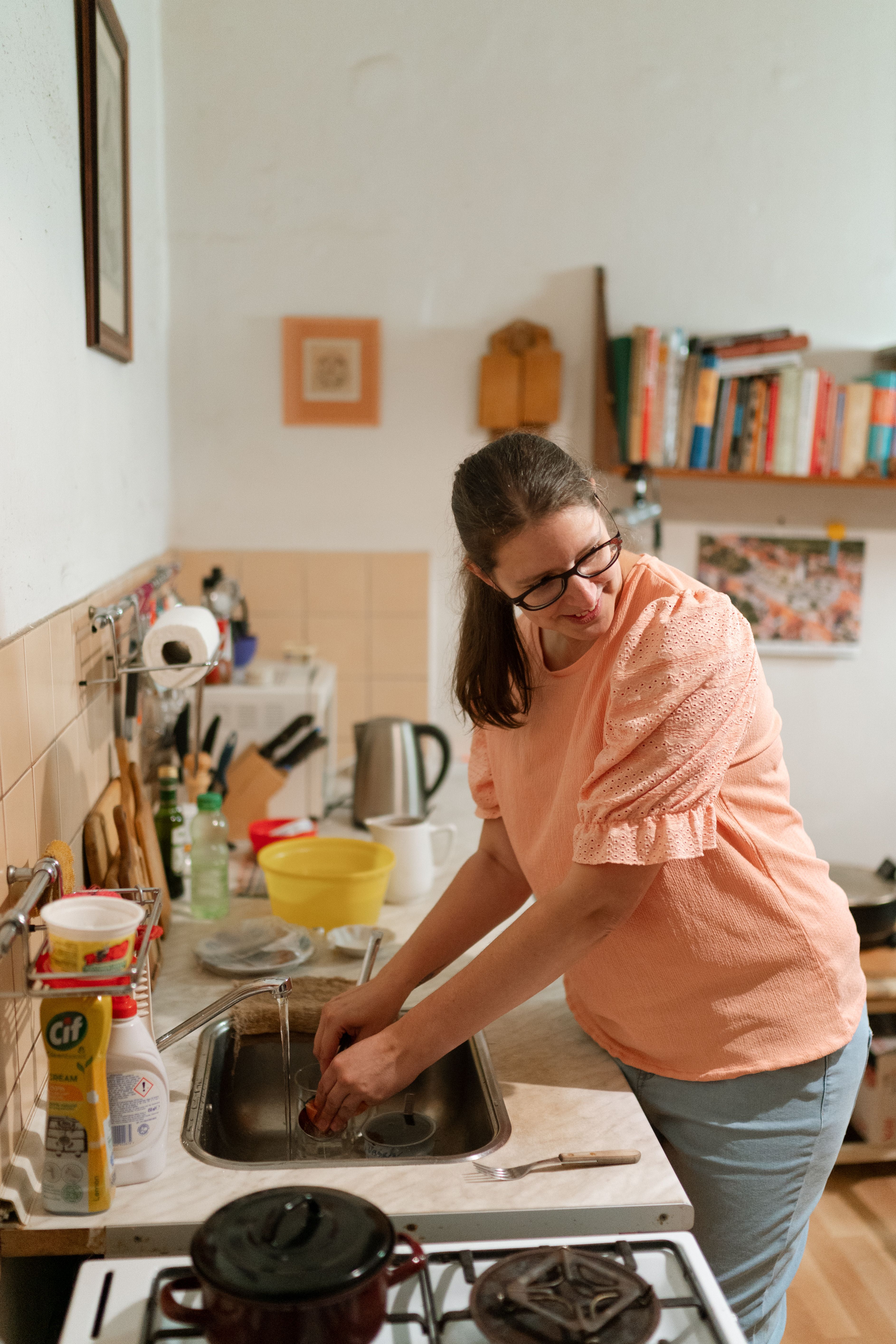
How to document the history of your home for future owners
Documenting your home's history is a gift to future owners and a practical tool for repairs, taxes, and legacy building. It blends visual clues, land records, and personal stories into a valuable archive.
Documenting the history of your home is not only a gift to future buyers or heirs; it is also a practical tool for repairs, renovations, taxes, and legal clarity, as well as a meaningful act of legacy-building for your family. Researching your home’s past through visual clues, land records, maps, census data, and neighborhood history helps you understand how it was built, how it has changed, and who lived there before you. At the same time, keeping systematic records of inspections, improvements, warranties, manuals, and important legal documents supports smoother real estate transactions, more accurate tax calculations, and fewer disputes later on. When you enrich these factual materials with stories, photos, and memories of life inside the home, you move beyond a mere file folder and create something that future owners or family members can actually understand and appreciate. MyHeirloom is designed precisely for this intersection of practicality and meaning: it unifies documents, photos, timelines, and relationships into a structured Legacy Room so the history of your home remains accessible, secure, and genuinely useful for the people who will live there after you.
SEO metadata and article framing
Before diving into the substance of home history documentation, it is useful to frame how this topic appears in search and how it will be presented as an article. Many readers arrive with concrete questions such as how to organize home records, what to keep for future buyers, or how to preserve the story of an older house for children and grandchildren. Others are in the middle of a renovation, planning a sale, or navigating an inheritance and suddenly realize how difficult it is to reconstruct what has been done to a property over decades. This article therefore aims to connect search intent around “documenting the history of your home,” “home records for future owners,” and “home legacy” with a structured, practical guide that also shows how MyHeirloom can help turn scattered data into a coherent, sharable narrative.
By aligning the SEO title, meta description, and perex with the primary keyword “document the history of your home” and related terms such as “future owners,” “legacy,” and “home records,” the article can attract readers who are already motivated to act, while still offering enough breadth and depth to be valuable as evergreen guidance. At the same time, the structure prepares natural points to introduce MyHeirloom as a more thoughtful alternative to generic cloud folders, especially for those who care about both the practical and emotional dimensions of their home’s story.
Why documenting the history of your home matters
Documenting the history of your home matters because a building is never just a set of walls and utilities; it is a long-running project that accumulates physical changes, legal obligations, financial implications, and personal memories over time. For future owners, having access to a clear record of that history can dramatically reduce uncertainty around hidden defects, past renovations, neighborhood changes, and the condition of major systems such as roofs, foundations, and wiring. For you as the current owner, the act of documenting history also makes it easier to plan maintenance, prove the value of improvements, and comply with seller disclosure laws when the time comes to move on. In a broader sense, tracing your home’s past through earlier owners, historic maps, and civic records reveals how your personal story intersects with the story of a street, a neighborhood, and even a city.
Emotional, practical, and financial dimensions
The emotional dimension of home documentation is often what first draws people into the process. Many owners of older houses notice architectural quirks, old wallpaper in a closet, or layers of construction in basements and attics and begin to wonder who lived there before, what their lives were like, and how the building evolved. Talking to neighbors, local business owners, or even long-serving postal carriers frequently reveals anecdotes about past residents, changes to the street, or community events that took place in and around the property. As you collect these fragments, you begin to see your home as part of a larger human narrative rather than just a financial asset. For parents and grandparents, capturing this narrative can be a powerful way of giving children and grandchildren a sense of continuity: the stories of birthdays in the backyard, first days of school on the front steps, or family gatherings in the kitchen become part of a family legacy rather than disappearing into unlabelled photos on a phone.
The practical dimension is equally important. Modern homeownership involves managing a substantial volume of information: inspection reports, repair invoices, warranties, appliance manuals, permits, association rules, insurance policies, and more. When these materials are scattered across old email accounts, paper folders, and different devices, they are difficult to find precisely when they are needed most, such as during an emergency repair or a time-sensitive sale. Best-practice guidance on document management emphasizes the need for consistent structures, clear naming conventions, and central storage in a reliable system rather than ad hoc piles of paper or random cloud folders. By consolidating and labeling this information over time, you reduce the friction around everyday tasks, from calling a past contractor to verify work to checking whether a roof is still within warranty.
From a financial perspective, detailed documentation can directly affect the money you keep when selling or inheriting a home. Tax authorities generally require homeowners to maintain records supporting their returns for several years, and many advisors recommend retaining key real estate documents—such as closing statements, deeds, and records of capital improvements—for as long as you own the property and beyond. The cost of improvements that add value, prolong the life of the property, or adapt it to new uses can be added to the home’s tax basis, reducing potential capital gains when you sell. However, you can only benefit from this if you can actually document those improvements through receipts, contracts, and payment records. Similarly, detailed records can support higher appraised values, help defend against inspection disputes, and make it easier for heirs to understand what they have inherited and how to manage or sell it.
From chaotic files to a coherent home story
Despite these clear benefits, most households handle home-related information in a remarkably chaotic way. Manuals and warranties may be shoved into kitchen drawers, crucial tax documents buried in mixed paper folders, and photos of renovations saved on phones without dates or descriptions. Research on home document management emphasizes that such unstructured approaches make retrieval difficult and undermine the value of the documents themselves; effective systems rely on consistent categorization, version control, and secure central storage. Meanwhile, sentimental items such as old photographs, floorplans sketched on napkins, or family notes get scattered or lost, and their meaning becomes opaque without accompanying explanations.
This is exactly where a platform like MyHeirloom can reframe the task. Instead of treating home documents as separate from memories and stories, MyHeirloom allows you to bring both into one Legacy Room, where practical files can live alongside narrative Keepsakes and a chronological Life Timeline. Inspection reports, renovation photos, and permits can be stored in DocuVault with clear titles and tags, while photos of the process and reflections on what the changes meant to your family can be captured as Keepsakes enriched with text, audio, or video. In this way, documentation becomes a living, evolving story rather than a static, overwhelming archive. Over time, future owners or heirs will not only know what was done to the house and when, but also why decisions were made and how the home was experienced by those who cared for it.
Understanding what “home history” includes
To document the history of your home effectively, it helps to clarify what “home history” actually encompasses. Many people initially think only of the construction date or the list of past owners, but a meaningful account blends several layers: the physical evolution of the building, the legal and financial record of ownership and land use, the practical information future occupants need, and the human stories of daily life within and around the home. Historic preservation organizations and archivists emphasize that a home’s history can be traced through careful visual inspection, building materials, old maps and photographs, land and property records, local census data, and community memories. These different sources together reveal not only when and how a house was built but also how it fits into broader patterns of urban development, migration, and social change.
The physical structure and its renovations
One foundational component of home history is the physical structure itself: what was built, when, and how it has been altered over time. Looking closely at construction details such as exposed rafters, bricks in the basement, or changes in framing can reveal multiple construction phases or additions. Variations in brick size, nail types, or finishes may indicate that different parts of the house were built during different eras, and sometimes builders or tradespeople leave dates or signatures in hidden locations like attics or under stairs. Historic England, for example, advises homeowners to look for plaques, carved dates, and old house names on facades or interior features as clues to original construction or later conversions, especially in properties that were once churches, schools, or pubs.
Documenting the physical structure for future owners therefore involves more than saving the latest floorplan. Ideally, you build a timeline of significant changes: major additions, structural repairs, roof replacements, electrical rewiring, plumbing upgrades, window replacements, and energy-efficiency retrofits. Building permits, contractor proposals, inspection reports, and before-and-after photos provide concrete evidence of these interventions. Home inspection guidance from professional associations stresses the importance of understanding the age and condition of key systems, particularly for older homes, and these same details become invaluable to future owners planning their own maintenance and upgrades. For historic or character properties, meticulous documentation can also support preservation efforts by showing how original features were retained or restored and by providing future caretakers with reference images and notes about materials and craftsmanship.
Land, ownership, and legal records
A second pillar of home history consists of land, ownership, and legal records, which situate the house within its parcel and the broader legal framework of property rights. For many houses, especially in North America and Europe, you can reconstruct a chain of title by examining deeds, tax records, and mortgage documents in county or municipal archives. A simple deed or title search often reveals who owned the property and when, while tax assessment records can show changes in improvements or land value over time. Specialized land office portals, like those in some U.S. states, provide online access to historical land title information and allow users to download copies of recorded documents.
Maps are another crucial piece of this legal-physical puzzle. Detailed survey maps, such as Ordnance Survey maps in the UK or Sanborn fire insurance maps in the US, show building footprints, lot boundaries, and sometimes even materials and usage, often going back to the nineteenth or early twentieth centuries. Overlaying these maps across decades illustrates how a parcel was subdivided, how streets were renamed or renumbered, and when surrounding development intensified. For home historians, this context can explain why a house faces a different direction than its neighbors, or why there appears to be an unused alley along one side of the lot.
From a documentation standpoint, future owners will benefit from easy access to the current deed, legal description, surveys, easement records, homeowners’ association covenants where applicable, and any special land-use restrictions or designations such as historic district status. Seller disclosure frameworks typically require owners to list known material defects, natural hazards, land-use limitations, and significant repairs or alterations, and having these records organized in advance supports accurate and timely disclosure. While legal documents themselves should be created or reviewed by qualified professionals, storing digital copies securely and clearly labeling them for future reference is well within a homeowner’s control.
Life in and around the home
Finally, the history of a home includes the lives lived inside and around it. Census records, city directories, and electoral registers can reveal who lived in a house at different times, including their occupations, family structures, and sometimes even the presence of boarders or servants. In many cities, local libraries maintain historic city directories that let you search by address rather than name, making it possible to track households even when ownership and numbering changed. Census data can also show demographic shifts in the surrounding neighborhood, such as patterns of migration, changes in household sizes, or the arrival of large public works like highways that altered the built environment.
Beyond official records, photographs, newspapers, and oral histories contribute rich texture to the story. Local historical societies and archives often hold photographs of streetscapes, public events, and notable residents that include your home in the background, while digitized newspapers can contain advertisements, real-estate listings, or articles about previous owners. At a family level, personal photographs, home videos, diaries, and letters capture the everyday reality of living in the house: the way light falls into particular rooms, the garden as it evolves, traditions around holidays or meals, and the emotional meaning of the space. Archival best practices suggest organizing these materials into coherent groups, flattening folded papers, and labeling folders by dates or themes so that they remain accessible for future reference.
Capturing this layer of history for future owners or heirs is less about compliance and more about generosity. It is the difference between passing on a packet of dry documents and leaving a sense of continuity: why the kitchen was remodeled to accommodate multigenerational cooking, who planted the old apple tree, or what the neighborhood was like when your children were small. MyHeirloom is particularly well suited to this dimension because it invites you to create Keepsakes that combine photos, stories, and even audio reflections, then situates them along a Life Timeline. When future owners or descendants explore your Legacy Room, they can see not only that a deck was built in 2015, but also the family gatherings and memories that unfolded there.
How to research the history of your home
Once you understand the different dimensions of home history, the next step is to actually research and compile them. Experienced house historians recommend working systematically, often starting from what you know now and moving backwards through time, so that changing street names, numbers, and ownership patterns do not cause you to lose track of the property. This process typically blends on-site observation, conversations with people who know the area, and structured use of archives and digital databases. Some owners approach it as a long-term project, adding details over years; others undertake a focused burst of research when preparing for a renovation, writing a family memoir, or getting ready to sell.
Give them the home they deserve. Bring your family legacy into the digital age.
Start archivingStart with what you can see and know
The immediate starting point is your own home and neighborhood. Carefully walking through the building, including spaces like attics, basements, under-stair closets, and crawl spaces, may reveal construction details, old finishes, or handwritten notes from previous generations of residents or tradespeople. You might find dates scrawled on framing, newspapers used as insulation, or remnants of older decorative schemes that suggest when rooms were added or modernized. Paying attention to differences between parts of the house—for example, thicker plaster in one wing, different window styles, or changes in floor levels—can hint at multiple building phases.
At the same time, you can gather existing documentation you already possess: closing statements, home inspection reports, appraisal documents, surveys, and any renovation permits or contractor contracts. Home inspection organizations stress that these reports are valuable records of past conditions and should be retained for reference and for future buyers. If you have lived in the home for some time, gather photographs from different years, paying attention to what they reveal about changes in landscaping, outbuildings, or neighboring structures.
Conversations are another underused but powerful source. Speaking with long-term neighbors, local shop owners, postal workers, or community leaders can uncover stories about who lived in your house before, what changes they made, and how the area has evolved. Neighbors may remember, for instance, when a previous owner enclosed a porch, subdivided the property, or converted a garage into living space. These anecdotes can be cross-checked against permits, maps, and visual evidence and then incorporated into your documented history, ideally with notes about who provided the information and when.
Dive into public records and archives
After exhausting what is immediately available, the next stage is to consult public records and local archives. For properties in many jurisdictions, county or city recorders maintain historical land and property records, including deeds, mortgages, and sometimes building permits. These can often be searched online back to a particular year, with deeper historical material accessible on microfilm or through in-person research at the recorder’s office. By tracing deeds backwards, you can reconstruct the chain of title, seeing how ownership transferred between individuals, families, or entities, and sometimes deducing periods when significant investments or subdivisions occurred.
Census records and city directories complement this work. Census data, available in many countries for periods up to the early or mid-twentieth century, can show who lived at your address at each enumeration: their names, ages, occupations, family relationships, and sometimes hints about housing conditions. Electoral registers, where available, provide listings of adult residents eligible to vote and can be especially useful in the late nineteenth and early twentieth centuries. City directories serve as precursors to phone books and often list residents by address, including tenants as well as owners. Because street names and numbering often change, working backwards from recent directories reduces the risk of misidentifying the property.
Maps and photographs from local archives or national heritage organizations add spatial and visual context. Fire insurance maps such as Sanborn maps in the US depict building footprints and usage, while detailed surveys like Ordnance Survey maps in the UK show changes in street layouts and development density. Historic England, for instance, encourages homeowners to use old maps and photographs to trace architectural history, noting that such materials can illustrate when additions were made or when open land around a property was built up. Local historical societies, libraries, and archives may also hold collections of historic photographs or ephemera that include your house or street.
Throughout this archival research, it is crucial to document not just what you find but where you found it. House history experts warn that without good note-taking and citation, it is easy to lose track of sources or be unable to verify details later. Recording the archive name, collection, volume or microfilm reference, and page or image number for each item allows you—and future researchers—to retrace steps if necessary. MyHeirloom can support this archival discipline by providing a place to store digital copies of documents and to record source details as part of the metadata in a Keepsake or DocuVault entry, rather than leaving them in scribbled notebooks or disconnected files.
Document your renovations and changes
While researching the past is important, documenting what you do to the home during your own period of ownership is equally vital for future owners. Renovation documentation is often overlooked in the rush of project management, yet experts in historic home renovation stress that keeping detailed records of each step can be a “game-changer” for both current and future stakeholders. Systematically photographing each phase—from initial conditions to demolition, structural work, rough-in, and finishing—creates an invaluable visual record of what lies behind walls, under floors, and above ceilings. These images can aid future repairs, support insurance claims, and help future owners understand how to maintain or further upgrade the property.
Written records matter as well. Maintaining a renovation journal that includes contractor names, license numbers where relevant, dates of work, materials used, and reasons for key decisions provides context that is usually missing from invoices alone. For example, noting why you chose to restore original windows instead of replacing them, or why a structural engineer recommended particular reinforcement methods, helps future caretakers respect the logic of the house rather than undoing carefully considered work. Saving copies of building permits, inspection sign-offs, and warranties in an organized, accessible way ensures that future owners can verify compliance with local codes and benefit from remaining warranty coverage.
From a financial and tax perspective, documenting renovations is also essential for tracking your home’s basis. Tax guidance emphasizes that the cost of improvements that add value, prolong life, or adapt a property to new uses can be added to the basis, while ordinary repairs cannot. To support this, homeowners are advised to keep purchase orders, receipts, cancelled checks, bank statements, and any other documentation related to improvements, ideally maintaining a running total over time. Advisors typically recommend keeping these records for as long as you own the home, plus several years after selling, because they may be needed if taxation authorities question your reported gains or losses.
Here again, the difference between scattered, poorly labeled files and a coherent system is significant. MyHeirloom’s DocuVault can serve as a secure, structured repository for permits, contracts, before-and-after photos, and narratives about each project, while Keepsakes allow you to present transformation stories in a human-centered way. Weaver, MyHeirloom’s storytelling assistant, can help you reflect on what each renovation meant—how it changed the way you and your family used the space—so that future owners inherit a home whose physical evolution and lived experience are both clearly documented.
Turning research into a clear record for future owners
Gathering information is only half the task; the other half is turning that information into a clear, usable record that future owners can actually navigate. Without structure, even the best research can be overwhelming. Home document management experts emphasize that successful systems rely on thoughtful categorization, consistent naming conventions, and technologies that support quick retrieval and secure storage. The goal is not to create an exhaustive archive of everything you ever find, but to assemble a curated, comprehensible dossier that balances practicality with richness.
Creating a practical home history dossier
A practical home history dossier should include both essential legal and technical documents and supplementary materials that give context. Essential documents typically encompass the current deed, the legal description of the property, surveys and site plans, title insurance documents, homeowners’ association rules if applicable, insurance policies, and recent property tax statements. For homes that are part of a condominium or planned community, covenants, codes, and restrictions are critical to understanding what future owners can and cannot do with the property. Home inspection reports from purchase and major renovations provide baseline assessments of systems and structural elements, identifying issues that were present at specific points in time.
In addition, it is helpful to include key financial and improvement records: closing disclosures, documentation of capital improvements, major repair invoices, and any appraisals used for refinancing or estate planning. As financial and tax advisors note, such records are often needed years later to support audit defenses, claims about basis, or disputes over property value. Owner’s manuals, warranty documents, and maintenance logs for major appliances and systems, such as HVAC units, water heaters, and roofing, also belong in this dossier so that future owners know what is installed, how to maintain it, and when replacements are likely to be needed.
From an organizational standpoint, home-based document management strategies suggest designating a central storage location—physical, digital, or both—and categorizing files according to everyday use, critical legal documents, and records related to children or older relatives. Expert guidance encourages homeowners to keep long-term documents such as deeds and closing statements indefinitely, while tax-related documents should generally be kept for several years after filing or after the property is sold, depending on jurisdiction. Digital document management systems further recommend establishing consistent folder structures and file-naming conventions before scanning or uploading, to avoid reproducing paper clutter in digital form.
MyHeirloom fits naturally into this picture, particularly as a central digital hub for the home’s history. Instead of keeping a patchwork of PDF files in generic cloud folders, you can use DocuVault to store important documents with clear categories, tags, and descriptions. The Legacy Room can contain a dedicated collection for “Home History,” within which you arrange subtopics such as “Legal and Land Records,” “Renovations,” “Systems and Maintenance,” and “Neighborhood and Community.” Because MyHeirloom is designed as a privacy-first platform, you retain control over what is visible to others and what remains accessible only to you or to trusted Trustees in the future.
Adding narrative and context so information is usable
Documents alone rarely tell a complete story. Without narrative, future owners may not understand why certain choices were made or how to interpret seemingly contradictory records. For example, a buyer might see that the roof was replaced in 2012 but not realize that only the rear section was redone after storm damage, while the front remains older. Or they might find receipts for multiple HVAC contractors without knowing which proposal was ultimately accepted. Adding short explanatory narratives can resolve these ambiguities and help future owners make informed decisions.
Storytelling research suggests that people connect more deeply with information when it is embedded in narrative, and legacy planning experts emphasize that preserving memories involves more than simply saving files. For home history, this might mean writing brief notes about how you chose particular materials, why you prioritized certain projects, or what you learned from living in the home through different seasons. It could also involve capturing the emotional significance of spaces: how a small bedroom became a nursery, why a certain tree in the yard matters to your family, or how neighbors came together during a local event.
MyHeirloom’s Keepsakes are designed precisely for this combination of information and narrative. You might create a Keepsake titled “Kitchen Renovation 2024,” for example, that includes before-and-after photos, a summary of the work, attached copies of permits and contractor contracts, and a short text or audio recording reflecting on what cooking in the new space means to your family. Weaver can guide you with prompts to remember details you might otherwise overlook, such as how the renovation affected family routines or how you chose which historical elements to retain. Because Keepsakes can be dated, they automatically appear along your Life Timeline, giving future owners a chronological view of the home’s evolution.
Over time, such narrative-enriched documentation transforms your home’s history from an abstract set of records into a coherent story. For future buyers, this transparency can build trust and differentiate your property in a crowded market, signaling that the home has been cared for thoughtfully and that its documentation is unusually complete. For heirs or future family members, it ensures that their understanding of the home is grounded not only in assets and obligations but in lived experience.
Balancing privacy with transparency
A recurring challenge in documenting home history is balancing the privacy of your family with the transparency that future owners or heirs will need. Not every detail belongs in a packet handed to buyers at closing, nor does every legal or financial fact need to be shared widely within a family. At the same time, withholding too much can create confusion, mistrust, or avoidable difficulties later on, especially regarding safety issues, major defects, or complicated ownership structures.
Seller disclosure laws in many jurisdictions obligate homeowners to disclose known material defects, information about natural hazards, completed repairs, and other conditions that may affect property value. Failing to provide accurate disclosures can lead to legal disputes, so it is in an owner’s interest to maintain clear records of past issues and how they were addressed. At the same time, personal financial details, internal family disagreements, or private health information connected to the home environment do not generally belong in a buyer-facing dossier, even if they are important within your family’s internal narrative.
MyHeirloom’s architecture supports this distinction through its separation of creative Keepsakes from the more secure DocuVault. Keepsakes, which may be shared selectively or made public if you choose, can focus on the story of the home and its visible changes, while DocuVault can store sensitive documents such as wills, estate plans, detailed financial records, or personal instructions intended only for trusted individuals after your passing. MyHeirloom strongly discourages storing information that could be misused during your lifetime, such as passwords or full credit card numbers, but it is an appropriate place for digital copies of legal documents that will eventually matter to heirs.
Because MyHeirloom is privacy-first, you remain in control of what others see. You can choose to share specific Keepsakes with potential buyers, for instance, while keeping DocuVault contents restricted to family and Trustees. This layered approach allows you to meet legal and ethical obligations around disclosure while still protecting your family’s private life.
Mini FAQ: everyday questions about documenting home history
Within the broader project of documenting a home’s history, several practical questions frequently arise. Many people wonder whether a simple cloud folder is enough, what to do with paper materials, and how much detail they really need to preserve.
One common question is whether an ordinary cloud folder is sufficient for preserving home history. In principle, a well-organized cloud storage system can hold the necessary files, but document management experts caution that without consistent folder structures, naming conventions, version control, and secure sharing settings, cloud folders can quickly become as chaotic as physical boxes of paper. MyHeirloom addresses these shortcomings by providing a more structured environment explicitly designed for legacy content, combining storage with storytelling and relationship mapping, rather than acting as a generic file dump.
Another typical concern is how to handle physical materials such as old photographs, letters, and blueprints. Archival guidance recommends gathering all materials in one place, gently flattening folded documents, removing damaging fasteners like paper clips or tape, and organizing items into logical groups before labeling and boxing them for long-term storage. Once materials are organized, selectively digitizing key items allows you to integrate them into MyHeirloom as Keepsakes or DocuVault entries while still retaining the originals in archival folders and boxes.
Finally, homeowners often ask how much detail is “enough.” While there is no single answer, a useful rule of thumb is to prioritize information that affects safety, value, legal obligations, or future maintenance, and to complement those essentials with a curated set of stories and memories that convey the home’s character. Over-documenting every trivial repair is unnecessary; under-documenting major renovations or legal changes can be costly.
Create a digital legacy that your children and grandchildren will be proud of.
Create a family legacyPlanning for the home’s next chapter
Documenting your home’s history is ultimately about preparing it for a next chapter, whether that involves selling to new owners, passing the property to children or grandchildren, or keeping it within an extended family for generations. Each scenario has different requirements and emotional dynamics, but all benefit from clear, accessible records. Real-estate and wealth-planning experts alike emphasize that proactive planning reduces stress, prevents conflict, and supports better decision-making when transitions occur.
Documenting for near-term resale
If you anticipate selling your home within the next few years, documentation priorities lean toward buyer transparency and legal compliance. Many jurisdictions require sellers to provide disclosure statements listing known defects, past repairs, natural hazards, and other factors that could materially influence a buyer’s decision or the property’s value. Having a well-organized record of inspection reports, repair invoices, and renovation permits enables you and your real-estate agent to complete these forms accurately and confidently, reducing the risk of post-closing disputes.
Preparing for sale also involves understanding how your documentation intersects with pricing and marketing. A pre-listing market analysis typically compares your home with similar properties that have sold recently, taking into account condition, upgrades, and unique features. Detailed records of major improvements—such as structural repairs, energy-efficiency upgrades, or high-quality remodels—help substantiate claims about value and differentiators. For example, being able to show that your roof was replaced under permit five years ago and is backed by a transferable warranty can reassure buyers and justify pricing choices.
From a tax standpoint, maintaining records of capital improvements and selling expenses is critical for calculating potential gains. Tax guidance explains that your home’s basis starts with what you paid for it, including closing costs, and increases with the cost of qualifying improvements such as additions, new roofs, wiring upgrades, and other substantial changes. Documentation of these costs—through receipts, contracts, and proof of payment—should be kept for as long as you own the home plus several years after sale, so that you can support your figures if the tax authority audits your return.
When it comes to presentation, a documented home may also be more appealing. New homeowner checklists and real-estate advice consistently emphasize the importance for buyers of understanding a home’s systems, maintenance history, and potential upcoming repairs. If you can provide a concise packet or digital link that explains what has been done, what warranties apply, and where manuals and service contacts are stored, you signal that the home has been responsibly managed.
MyHeirloom can play a role here by serving as the home’s digital “owner’s manual.” You might create a MyHeirloom Legacy Room section specifically intended for future owners, containing Keepsakes summarizing key projects and DocuVault entries with relevant documents. When listing the home, you can decide whether to give serious buyers temporary access to selected content or share exports of particular Keepsakes. Start for free and you can begin building this digital manual long before you are ready to sell, so that the work is incremental rather than rushed.
Documenting for heirs and long-term family legacy
In other cases, the next chapter of your home may be an intra-family transfer rather than an open-market sale. Keeping a home “in the family” across generations raises both emotional and legal questions: who wants the property, who can afford to maintain it, how usage will be shared, and how to handle situations where some heirs want to sell while others hope to keep it. Wealth-management and elder-law advisors stress that these issues are best addressed through open conversations and formal estate planning, ideally well before a crisis.
Legally, there are several methods to pass a home to heirs, including bequeathing it in a will, holding it in a revocable living trust, using joint ownership arrangements, or, in some jurisdictions, executing a transfer-on-death deed. Each approach has implications for probate, taxes, Medicaid eligibility where applicable, and control over decision-making, so professional legal advice is essential. Regardless of the method chosen, however, heirs will need clear information about the property: outstanding mortgages, taxes and insurance obligations, maintenance history, and any restrictions or covenants.
Detailed documentation also reduces the emotional burden on heirs at a difficult time. Instead of scrambling to locate deeds, insurance policies, utility accounts, and service providers, they can refer to an organized set of records that explains what must be done and when. End-of-life planning programs and municipal initiatives increasingly recognize the value of such preparation for homeowners, offering workshops and legal assistance to help people create wills and estate plans that ensure homes and other assets are transferred smoothly.
MyHeirloom’s DocuVault is particularly aligned with this need. You can use it to store digital copies of key property documents, notes about utilities and regular contractors, and even letters to your heirs explaining your wishes for the home, while keeping this sensitive information private during your lifetime. Trusteeship features allow you to designate trusted individuals who, after your passing is verified, can access and manage the account according to your preferences, helping to ensure continuity of both the digital legacy and practical information about the home. At the same time, MyHeirloom is not a substitute for formal legal instruments; instead, it complements your will and other documents by making their content accessible and understandable to the people who will actually need to act on them.
On the more emotional side, documenting the home’s history for heirs also involves sharing stories and memories so that the property is understood not just as an asset but as part of the family’s narrative. Family legacy literature suggests that when people inherit a home or second property, conflicts often arise around differing emotional attachments and expectations of use. By recording your own experiences in the home—what it meant to you, how it was used during family gatherings, why certain spaces or objects are significant—you provide context that may help future generations navigate those emotions more thoughtfully. MyHeirloom’s Legacy Room, with its combination of Keepsakes, Life Timeline, My Tribe profiles, and Family Tree, offers a structured way to integrate the story of the home into the broader story of your family.
How MyHeirloom helps
At this point, it is clear that documenting the history of a home is not a simple matter of scanning a few papers. It involves research, ongoing record-keeping, narrative reflection, privacy decisions, and preparation for future transitions. Ordinary cloud storage or paper filing systems can handle pieces of this puzzle, but they are rarely designed to keep the whole picture coherent over time, especially across generations. MyHeirloom was created precisely to address this gap by turning scattered memories, relationships, and important information into an organized, secure, and meaningful legacy.
Within MyHeirloom, your account’s Legacy Room functions as a central, structured space for your home’s story. You can create a dedicated cluster of content focused on the property itself, while still relating it to your broader life and family narrative. For example, Keepsakes allow you to document specific home-related events—purchasing the house, major renovations, garden transformations, or memorable celebrations—using combinations of text, photos, videos, and audio. Because Keepsakes can be dated, they appear on your Life Timeline, providing a chronological overview of how the home evolved alongside your own life.
DocuVault plays a complementary role by securely housing critical documents and instructions that future owners or heirs will need. You might store copies of deeds, surveys, closing statements, major contractor contracts, building permits, inspection reports, and key correspondence there, along with notes about insurance policies and tax assessments. Each entry can include descriptive titles and notes, making it easier for others to understand why a document matters and how it should be used. DocuVault’s additional password protection and time-limited access features help safeguard sensitive content during your lifetime, while optional posthumous visibility settings allow you to decide whether Trustees can access certain information after your passing.
Weaver, MyHeirloom’s AI-based storytelling guide, can support you in capturing the narrative context that makes home documentation more than a technical archive. If you are unsure where to start, Weaver can ask interview-style questions about how you found your home, why you chose it, what surprised you in the inspection, or how renovations changed the way you live. It can prompt memories of neighbors, seasonal rituals, or local events that shaped your experience of the property. You remain in control of what you choose to write or record, but Weaver’s prompts help ensure that the resulting Keepsakes are rich, specific, and meaningful.
My Tribe and Family Tree features help situate the home within the network of people connected to it. You can create profiles for household members, close neighbors, or mentors who influenced your time in the home, and link them to relevant Keepsakes. Family Tree can show how the home moved between branches of the family over time, for instance when grandparents passed it to parents and then to you. Such relational context is often missing in traditional home history files, yet it is crucial for understanding why a home may be particularly important to certain heirs or why specific decisions about its future were made.
For homeowners who wish to create a separate, focused account about the home itself—for example, a historic property that will eventually be open to the public or a second home meant to be shared across generations—a Patron account could serve as a dedicated Legacy Room. You might maintain your personal account for your broader life story and use a Patron account to house the home’s archives, photos, and narratives, with Trustees designated to care for it after your passing. This separation can be especially useful when the home’s story is meant to be shared more widely than the rest of your personal legacy.
Crucially, MyHeirloom’s privacy-first design means that you decide what to keep private, what to share with specific individuals, and what, if anything, to make public. Unlike social media, where content is optimized for ephemeral engagement, MyHeirloom is oriented toward long-term preservation and thoughtful sharing. When you are ready, you can start for free and experiment with building a few home-related Keepsakes, uploading a handful of key documents into DocuVault, and seeing how your home’s story begins to take shape in a single, coherent space.
Conclusion
Documenting the history of your home for future owners is a multi-layered endeavor that combines research, organization, storytelling, and planning. By examining your home’s physical structure, tracing land and ownership records, exploring archival maps and photographs, and gathering stories from neighbors and family, you can reconstruct how the property came to be what it is today. By systematically documenting your own renovations, maintenance, and upgrades—with photos, permits, invoices, and notes—you create a transparent record that builds trust with future buyers, supports tax and legal clarity, and assists heirs in managing or selling the property. And by enriching all of this with personal memories and narrative context, you transform a stack of paperwork into a genuinely meaningful legacy that connects people to place.
Traditional approaches to this task—boxes of paper, scattered cloud folders, unlabelled photos on phones—rarely hold up over time. They rely too heavily on individual memory and make it difficult for others to find what they need when it matters most. Document management and archival best practices point instead toward structured systems, consistent naming, secure storage, and thoughtful curation. MyHeirloom brings these principles into a single, accessible platform designed specifically for personal and family legacy, allowing you to unite the practical record of your home with the human story that gives it meaning.
Whether your next step is to prepare for a sale, set up an estate plan, or simply ensure that your children and grandchildren understand the place they grew up, starting now makes the process more manageable. You do not need to complete everything at once; you can begin with a single renovation story, a scanned deed, or a set of photos of your home’s exterior over the years. From there, MyHeirloom’s Legacy Room, Keepsakes, Life Timeline, My Tribe, and DocuVault features give you a framework to expand at your own pace.
If your home’s documents, photos, and stories are currently spread across drawers, devices, and cloud services, this is an opportunity to bring them together into something coherent and lasting. Explore how MyHeirloom works, and when you are ready, start for free to begin turning your home’s scattered traces into an organized, secure, and meaningful legacy for the people who will walk through its doors after you.
FAQ
1. What are the most important documents to keep for future owners of my home?
The most important documents to preserve for future owners include the deed and legal description of the property, any surveys or site plans, closing disclosures from your purchase, title insurance documents, and homeowners’ association rules if applicable. It is also crucial to keep home inspection reports, building permits, records of major renovations and repairs, warranties on roofs and appliances, and recent property tax statements. Financial and tax advisors recommend retaining documentation of capital improvements—such as additions, new roofs, structural repairs, and significant upgrades—for as long as you own the home and several years after selling, because these records support your tax basis and can reduce potential capital gains. Storing digital copies of these documents in a structured system like MyHeirloom’s DocuVault ensures they remain accessible and understandable to future owners or heirs.
2. How far back should I go when researching my home’s history?
How far back you go depends on your goals and the availability of records. For practical purposes related to maintenance, resale, and tax, focusing on the period from your purchase back through the last few major ownership changes is usually sufficient, as this is where you will find relevant permits, renovations, and condition reports. If you are interested in historical or genealogical aspects, house history experts encourage working backwards as far as records allow, using deeds, tax records, census data, city directories, and maps to trace ownership and occupancy, sometimes back to the original construction or subdivision of the land. Local archives, historical societies, and online databases can be particularly helpful in extending the timeline, especially for older homes in established communities. Whatever depth you choose, the key is to document your sources and summarize findings in a way future readers can easily follow, which MyHeirloom’s Keepsakes and Life Timeline can help you do.
3. Is scanning everything into a cloud folder enough to preserve my home’s history?
Scanning documents and photos into a cloud folder is a useful first step, but on its own it is rarely enough to create a usable home history. Document management guidance highlights that without consistent folder structures, clear file names, version control, and access rules, cloud storage can quickly become an unsearchable mass of files. Moreover, a purely file-based approach often lacks narrative context, making it hard for future owners or heirs to understand why a document matters or how different items relate to each other. By contrast, MyHeirloom offers an integrated system that combines secure storage in DocuVault with narrative storytelling through Keepsakes, chronological visualization through the Life Timeline, and relational context via My Tribe and Family Tree. This combination turns scanned files into an organized, meaningful legacy rather than just digital clutter.
4. How can I document a renovation so future owners really understand what was done?
To document a renovation effectively, experts recommend capturing both visual and written records across all stages of the project. Before work begins, take clear photos of existing conditions, including problem areas and any noteworthy original features you plan to retain. During the project, continue photographing structural work, wiring and plumbing layouts, insulation, and any hidden details before they are covered, and keep copies of building permits, inspection approvals, and change orders. In written form, maintain a log of contractor names and contact details, dates of work, materials used, and reasons for key decisions, and store all invoices, contracts, and warranty documents. In MyHeirloom, you can create a dedicated Keepsake for each major project, combining photos and narrative with attached documents, while DocuVault holds the formal paperwork. This format helps future owners see both what was done and why, and gives them a reference if they need to open walls, extend systems, or file insurance or tax claims later.
5. How does documenting my home help with estate planning and passing the property to my children?
Documenting your home simplifies estate planning and eases the burden on heirs by making critical information readily available when they need it. Clear records of ownership, mortgages, insurance, taxes, and maintenance history help your attorney and financial advisor design appropriate strategies for transferring the property, whether through a will, trust, joint ownership, or transfer-on-death deed, depending on local law. For your children or other heirs, having organized documentation reduces confusion and conflict by clarifying what obligations come with the home and what has been invested in it over time. MyHeirloom can complement formal legal planning by storing digital copies of key property documents and by capturing your wishes and stories about the home in a Legacy Room that Trustees and heirs can access according to your instructions after your passing. While it does not replace professional estate planning, it ensures that the practical and emotional context of the home is not lost in the transition.
6. How can I get started documenting my home’s history if I feel overwhelmed?
Feeling overwhelmed is common, but the process becomes manageable when broken into small, concrete steps. Many experts recommend starting with what you already have: gather existing documents like your deed, closing statement, inspection report, and any major renovation records into a single physical or digital location. Next, take a simple photographic survey of your home and yard as they are now, creating a baseline for future comparison. From there, you might choose one area to focus on—such as documenting a recent project, researching one previous owner, or organizing appliance manuals and warranties—rather than trying to tackle everything at once. MyHeirloom is designed to support this incremental approach: you can start for free, create one or two home-related Keepsakes, add a handful of key documents to DocuVault, and gradually build out your home’s history over time, turning what once felt like an overwhelming task into a meaningful, ongoing practice.

MyHeirloom gives you a dedicated Legacy Room—a private, secure space to collect photos, videos, documents, and stories.
Start now for free