
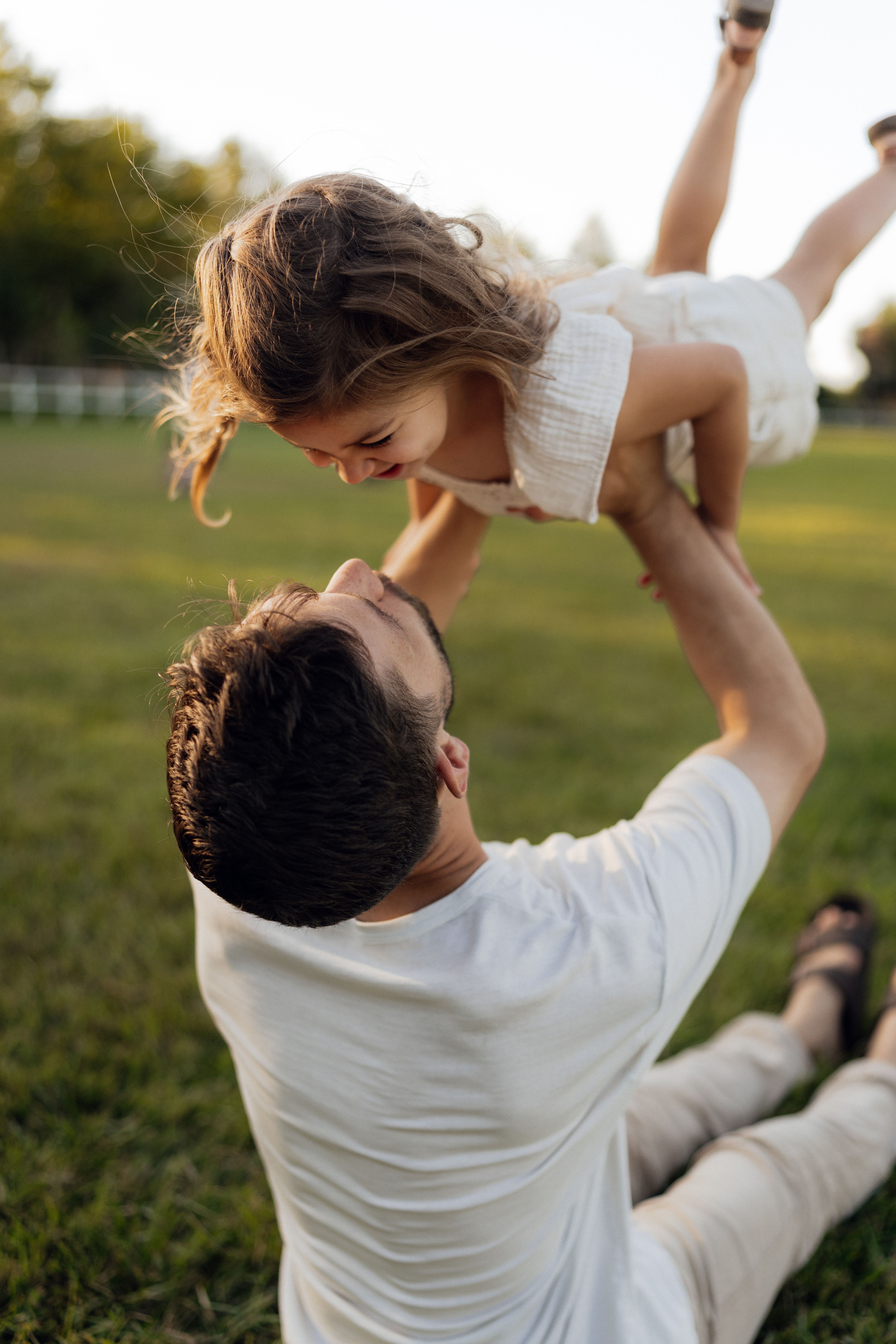
Recording a brief, focused conversation with your grandmother can strengthen family bonds and preserve invaluable history, yet these precious audio files are often lost without a structured approach to digital preservation.
For many people, the idea of recording their grandmother’s stories feels both important and strangely easy to postpone. Life is busy, visits are short, and the thought of planning a full oral history project can feel overwhelming. Yet research on intergenerational storytelling and family memory shows that even brief, focused conversations between grandparents and grandchildren can have powerful effects on identity, emotional resilience, and connection across generations. At the same time, digital technology has made it incredibly simple to press record, but surprisingly difficult to preserve those recordings in a way that will still be meaningful decades from now.
Sitting down with Grandma to record just ten minutes of conversation is a deceptively simple challenge that creates a living family resource rather than a casual voice memo. Looking at practical guidance on recording grandparents’ life stories, we can understand why this short conversation matters, how to make it comfortable, what mistakes families commonly make, and how to turn one recording into an organized, secure, and meaningful legacy. Along the way, we will see how MyHeirloom provides a more thoughtful alternative to scattered phone recordings and cloud folders, helping you transform that ten-minute conversation into Keepsakes, Life Timelines, and connections that your family can understand and build on for years.
If your photos, stories, and important information already live in different apps, devices, and social feeds, a structured approach becomes even more important. MyHeirloom’s Legacy Room is designed precisely for this situation: it gives you a single, privacy-first space where one recorded conversation with Grandma can sit alongside photos, recipes, documents, and your Family Tree in a coherent story rather than a chaotic archive. Start for free and see how that ten-minute challenge can become the first page of a much larger legacy.
Why ten minutes with Grandma matters more than you think
The idea that family stories are developmental resources has gained strong empirical support in psychology and family studies. Intergenerational storytelling—stories that flow between grandparents, parents, and children—supports positive psychosocial development, especially for adolescents and emerging adults who are actively constructing their identities. Researchers have found that young people who know more stories about their parents’ and grandparents’ childhoods tend to have higher self-esteem, greater social competence, and fewer behavioral issues compared with peers who know little about their family’s past. This does not require hours of formal interviewing; even short, rich conversations can seed narratives that young people revisit and expand over time.
At the same time, the benefits of storytelling are not one-sided. Older adults often experience a developmental drive in later life to revisit the past, make sense of their experiences, and share them with younger generations. Reminiscence can help elders integrate their own life story, see patterns in what they have lived, and experience a renewed sense of purpose. Structured opportunities to tell stories have been associated with reduced loneliness, increased self-worth, and a stronger feeling of significance among elders, especially those who may otherwise feel socially isolated.
These psychological benefits are complemented by more concrete effects on family functioning and child development. Strong grandparent-grandchild relationships are connected with better emotional regulation, higher self-esteem, and stronger social skills among children. Such relationships are deepened through shared experiences, conversations about everyday life, and stories that help children understand that the challenges they face echo struggles their grandparents once faced in different forms. A ten-minute recorded conversation about what you worried about in your thirties that turned out not to matter can directly support an anxious adult grandchild who is grappling with similar feelings today.
Importantly, research on intergenerational storytelling emphasizes that the process—the act of asking, listening, and telling—is more critical than any specific content. Whether Grandma talks about immigration, work, raising children, or small pleasures, what matters is that she narrates experiences in a way that connects past and present. This helps younger relatives see themselves as part of a story that extends beyond any single generation, making the recorded conversation an active tool for identity construction.
For marginalized groups, intergenerational storytelling can additionally serve as a resource for resistance and resilience in the face of injustice. Stories about discrimination, migration, community organizing, or navigating social change provide younger people with practical scripts for responding to adversity. Even if your family story feels ordinary, hearing how your ancestors adapted to economic uncertainty can give you perspective on current challenges and confidence in human adaptability. When that story is recorded and preserved, it can keep providing these resources to future generations.
From good intentions to lost stories: common mistakes families make
Most families have experienced at least one moment of regret connected to lost stories. Perhaps a beloved grandparent passed away before anyone thought to record their voice, or a box of unlabeled photographs surfaced with no one left who could identify the faces and places. Researchers in digital preservation emphasize that memory loss is often less about technological failure than about poor organization, lack of context, and the assumption that someone else will remember.
One common mistake is relying entirely on casual, unstructured conversation without any attempt to record or annotate it. People assume they will remember the stories told at holiday dinners or family gatherings, but everyday cognitive processes work against this assumption. Without repetition, prompts, or external aids, memories fade, details blur, and even powerful stories can become reduced to vague impressions. When stories are never recorded, future generations receive only names and dates instead of vivid narratives.
A second mistake is capturing audio or video but treating it as a disposable file rather than a meaningful artifact. Voice memos recorded during visits often remain named generic defaults, buried among dozens of similar files on a phone or laptop. Without clear file names, metadata, or explanatory notes, the recording becomes difficult to locate and unintelligible to someone who was not present. Digital preservation experts urge individuals to give files descriptive names, tag them with basic information, and store a summary of the contents so future listeners can orient themselves.
A third mistake involves scattered storage. Families often have photos on one phone, voice recordings on another, videos in a cloud account, and important documents in email attachments. This fragmentation makes it extremely difficult to reconstruct a coherent picture of a grandparent’s life or the family’s collective story. Without a central archive, relatives may not know which recordings exist, where they live, or who has access to them.
Finally, many people skip the emotional and relational work required to make storytelling feel safe and enjoyable for elders. They might approach a grandparent with a formal interview that feels like an interrogation, ask only yes/no questions, or push toward painful topics without adequate preparation. Experts in oral history advise creating relaxed conversations in comfortable, quiet spaces, asking open-ended questions, and letting the answers wander. Tangents often contain the richest material, and silence is not a problem but a sign of deep thought.
Designing your ten-minute Grandma recording
A ten-minute recording can feel either trivial or transformative depending on how you set it up. The goal is to make the conversation relaxed, genuine, and gently focused, while ensuring the audio is clean enough and context-rich enough to be meaningful later.
Creating a comfortable, quiet space
Researchers and practitioners in oral history recommend choosing a quiet space without loud appliances, televisions, or echo. Soft furnishings such as curtains and carpets help absorb sound, and comfort matters more than any sense of formality. Sitting close but not crowding the elder supports both audio quality and relational warmth. Many practitioners advise avoiding kitchens because of background hum, and instead suggest living rooms, dens, or shaded outdoor spaces.
For older grandparents, morning sessions often work best, as energy and recall are typically strongest in the first hours of the day. Recording across several visits rather than in one marathon session helps avoid fatigue, which can impair memory recall and make telling stories feel like work rather than pleasure. Even when the challenge is just ten minutes, thinking in terms of repeated short conversations creates space for new topics and deeper reflection over time.
Store your most cherished memories and heritage safely on Heirloom.
Preserve our memoriesFrom a technical perspective, experts recommend a quick test recording before beginning the main conversation. Recording twenty seconds of casual talk and playing it back allows you to adjust distance to the microphone, reduce background noise, and confirm that your device has sufficient battery and storage. In many cases, a smartphone’s built-in recorder is sufficient; you do not need complex equipment or visible microphones, which can make elders feel self-conscious.
Asking questions that unlock real stories
The heart of the challenge is the question you ask. Open-ended prompts that invite sensory detail, emotion, and reflection tend to yield the richest stories. For a short recording, choosing one narrow but evocative topic is more effective than trying to cover an entire life. Prompts like "What did your childhood home look like, room by room?" or "What did you and your friends do for fun with no money?" encourage specific memories, sounds, and smells.
Other effective questions focus on pivotal relationships or life transitions. Asking how your grandparents first met or what their first jobs were like provides insight into values, economic conditions, and resilience. Some guides focus specifically on life lessons, inviting elders to interpret their experience and translate it into guidance for younger generations. These responses are especially powerful resources for grandchildren facing their own uncertainties in work, relationships, or identity.
Whatever you choose, avoid yes-or-no questions and let the answers wander. The magic words in many conversations are "Tell me more about that," followed by genuine, patient listening. Do not interrupt to correct details or insert your own memories; the recording is for your grandparent's version of events, prioritizing their voice.
Managing emotional safety and boundaries
Stories can touch painful topics—loss, conflict, hardship, discrimination—and guides emphasize the importance of allowing elders to share these experiences if they choose, but never forcing them. If they begin talking about a difficult period, the role of the listener is to let them speak without trying to fix or redirect. However, respecting boundaries is crucial; if they signal that something is too painful, that limit should be honored without debate.
Explaining the purpose and scope of the recording in advance can also increase comfort. Oral history guides recommend telling participants whether the recording is just for personal family use or shared family archives, and obtaining permission accordingly. This clarifies intent, respects privacy, and frames the activity as an act of care rather than surveillance.
Practical questions about the recording
Is a smartphone voice memo really enough for this?
Yes. Built-in phone recorders are excellent for preserving family stories, provided you choose a quiet environment, sit close, and test the audio before beginning. Complex equipment often adds friction without adding meaningful value.
Should I tell my grandparent I am recording?
Yes. Transparency is essential for building trust and maintaining ethical boundaries. Initial awkwardness typically disappears within a few minutes once the conversation begins to flow naturally.
How long should I record beyond the ten minutes?
Ten minutes is a starting challenge, not a strict limit. A conversation of fifteen to twenty minutes is often a sweet spot for reaching a substantial story without causing fatigue.
Turning one recording into a living family resource
Pressing record is the beginning, not the end, of preserving a story. Without intentional archiving, the audio file risks becoming another forgotten item lost among devices, accounts, and poorly named folders. To transform a ten-minute conversation into a durable family resource, you need to address digital preservation, context, and integration.
Technical preservation: from file to archive
Personal archiving guidelines emphasize several core practices for digital audio: identifying which recordings have long-term value, exporting them into open formats, and maintaining multiple copies across different media. The Digital Preservation Coalition recommends the 3-2-1 rule: three copies of important files, on two different media, with one copy stored off-site. This might mean keeping one copy on your computer, another in a cloud service, and a third on an external drive.
For your recording, this means exporting the audio from your phone and saving it with a descriptive name. Attach basic metadata indicating who is speaking, who is listening, where the conversation took place, and the main topic. Even a simple text note stored alongside the file can significantly increase its value years later.
Contextualization: adding story around the audio
A raw recording carries tone, pauses, laughter, and emotion, but future listeners may struggle to understand references, names, or events without additional context. Writing down detailed notes or transcripts to accompany recordings makes the content searchable and provides a safety net if audio quality is ever compromised.
Beyond transcription, contextualization includes attaching photographs of the people or places mentioned and adding a short written summary. This is where digital platforms designed for legacy preservation, such as MyHeirloom, become particularly valuable. Rather than leaving the audio file isolated, you can embed it in a Keepsake that includes text, images, dates, and family connections.
Integration: building a coherent family narrative
Family stories provide the greatest psychological benefits when they connect across generations, forming a scaffold for identity. Adolescents who connect their own life narratives with the experiences of parents and grandparents show higher self-esteem and better emotional resilience. A single ten-minute recording acquires much greater impact when it is integrated into this ongoing family narrative.
Practically, this means referencing your grandparent's recording in your own reflections or inviting other family members to record their versions of the same event. Over time, you build a multi-voiced, intergenerational conversation around shared themes such as migration, work, education, or traditions.
How MyHeirloom helps turn ten minutes into a legacy
MyHeirloom is built around a simple idea: scattered memories, relationships, and important information are not enough by themselves. What families need is an organized, secure, and meaningful way to preserve these elements as a legacy that remains understandable and usable for future generations. A ten-minute recording with a grandparent embodies this problem—it is easy to create, but hard to hold, contextualize, and connect without the right structure.
Create a digital legacy that your children and grandchildren will be proud of.
Create a family legacyAt the center of MyHeirloom is the Legacy Room, a private space that functions as more than just storage. When you upload your ten-minute recording, you create a Keepsake, which is a multimedia story combining sound, text, images, and links. Within that Keepsake, you can describe the context of the recording, note when and where it took place, and attach photos.
The Life Timeline then automatically places dated Keepsakes along a chronological axis. If the recording focuses on childhood, dating that Keepsake to those years allows future viewers to see the story in relation to other family milestones. Over time, additional recordings can be added to the timeline, creating a clear visual representation of family continuity and change.
My Tribe and the Family Tree provide relational structure around these stories, showing how different branches of the family connect. In My Tribe, you can create a profile for your grandmother that includes basic biographical information and links to Keepsakes where she appears. The Family Tree offers a genealogical view that accommodates modern family structures, showing how different branches of the family connect and how stories flow between them.
For many families, recipes and food rituals are among the most vivid carriers of memory. MyHeirloom’s Family Cookbook allows you to preserve these elements in a dedicated space. If your grandmother mentions a dish that always meant family, you can create a recipe entry, link it to the Keepsake, and record your own attempts to recreate it.
Crucially, MyHeirloom also recognizes that legacy involves sensitive materials and important documents. DocuVault is a secure area designed for organizing important documents and instructions, such as health records or personal letters. While MyHeirloom does not replace official legal estate planning, it serves as a practical space to keep these materials organized. Privacy-first design and user-controlled visibility mean that Keepsakes can be shared selectively, while DocuVault remains protected and accessible to a designated Trustee after passing.
Weaver, MyHeirloom’s AI storytelling assistant, can further support the process by suggesting themes, prompts, and structures that transform vague recollections into richer narratives. Because MyHeirloom supports both Primary Accounts (self-authored legacies) and Patron Accounts (Legacy Rooms created for someone else), you can choose whether to center the project on your own story or create a dedicated space for your grandparent's life.
A realistic example: the ten-minute conversation that changes everything
Consider a common scenario. Emma is a parent with two young children and a grandmother, Rosa, who is in her late eighties. Life is busy, and visits usually revolve around daily logistics. Emma often thinks she should record some of her grandmother's stories, but the idea of a full interview project feels daunting. One weekend, she decides to attempt something smaller: a ten-minute conversation.
She arrives at Rosa’s apartment on a quiet Sunday morning, turns off the television, and suggests moving to the living room where it is quiet and comfortable. Emma explains that she wants to record a quick conversation about Rosa's childhood home for the family archive. Rosa hesitates briefly, then agrees. Emma opens her phone's recording app, does a brief test run, and begins.
Asked what her childhood home looked like room by room, Rosa describes a small house in a rural town, the smell of baking bread, and sharing a bed with her sister. Emma listens patiently, occasionally prompting with "Tell me more about that." After about fifteen minutes, Rosa's energy begins to fade, and Emma stops the recording, thanking her warmly.
That evening, Emma saves the file securely across multiple devices. She listens again, writing down key details and transcribing key sections verbatim. A week later, she sets up a Legacy Room on MyHeirloom, creates a profile for Rosa in My Tribe, and begins building a Family Tree. She uploads the recording as a Keepsake, adds her notes, and links it to Rosa's profile.
Because Rosa mentioned a specific family bread recipe, Emma records a second short conversation about it on her next visit. That recording becomes the basis for a Family Cookbook entry, linking back to the childhood home Keepsake. Over the next year, Emma uses Weaver to brainstorm follow-up questions, creating additional Keepsakes along Rosa’s Life Timeline.
Years later, when Rosa has passed away, the family gathers in the Legacy Room to revisit her stories. Trustee settings allow a trusted relative to manage the account, ensuring continued access. The ten-minute recording that began casually at a living-room table has become a cornerstone of how children and grandchildren understand who Rosa was and what home meant to her.
Conclusion: one small recording, a much larger legacy
Spending ten recorded minutes with a grandparent can feel almost trivial in the moment. Yet research on intergenerational storytelling shows that such small actions can have a disproportionate impact on identity, resilience, and connection across generations. For younger relatives, knowing family stories supports higher self-esteem and a deeper sense of belonging. For elders, sharing these memories reduces loneliness and supports late-life meaning-making.
The challenge is not only to press record, but to ensure that the recording becomes more than a forgotten file. Common mistakes, such as failing to archive properly or neglecting context, mean that many valuable stories are lost despite good intentions. Designing a brief recording with care, choosing evocative questions, and respecting emotional boundaries can turn a small conversation into a rich source of memory.
MyHeirloom exists to bridge the gap between casual recording and durable legacy. By providing a Legacy Room where audio, text, images, recipes, and documents come together, it helps families turn scattered memories into an organized, secure, and meaningful archive. Start for free with MyHeirloom and see how your first ten minutes can evolve into a living legacy that your children and grandchildren can actually use.
FAQ
1. Is ten minutes really enough to capture meaningful stories from a grandparent?
Ten minutes will not cover an entire life, but even brief, focused conversations can yield rich, emotionally significant stories. A narrow, evocative question about a childhood home or a first job can unlock deep memories. The key is to treat the recording as the first step in an ongoing process, not a one-time attempt to capture everything.
2. Why is storing recordings in a regular cloud folder or phone backup not enough?
While cloud folders protect against device loss, they do not preserve the context, narrative, or relationships behind the files. Recordings often end up scattered and poorly named. A structured platform like MyHeirloom adds narrative context, timelines, and family tree connections around those files, transforming mere storage into a coherent legacy.
3. How can I record my grandmother if we live far apart?
You can use speakerphone or a recording app to capture audio during scheduled calls. Keep sessions relatively short—around fifteen to thirty minutes—and focus on one or two specific questions. You can then upload these recordings as Keepsakes in MyHeirloom, linking them to your Family Tree and My Tribe entries.
4. What if my grandparent is hesitant or nervous about being recorded?
It is common for elders to feel awkward initially. Explain your purpose clearly, emphasizing that the recording is strictly for family use, and begin with easy, everyday memories. Keeping sessions short and respecting requests to omit certain sections will build trust over time. MyHeirloom's privacy settings also ensure stories remain under family control.
5. How does MyHeirloom differ from writing a traditional memoir or using a basic note-taking app?
Memoir writing requires significant time and effort, while note-taking apps store isolated files without connecting them to family relationships, timelines, or recipes. MyHeirloom offers a structured Legacy Room where audio, photos, documents, and family trees interlink. The AI assistant, Weaver, can also assist with storytelling prompts.
6. Can I start building a legacy for a grandparent who has already passed away?
Yes. MyHeirloom’s Patron Account feature allows you to create a Legacy Room for a deceased loved one. You can gather existing recordings, photos, and family stories, organizing them into Keepsakes connected to the Family Tree and My Tribe profiles, ensuring their voice continues to shape future generations.

MyHeirloom gives you a dedicated Legacy Room—a private, secure space to collect photos, videos, documents, and stories.
Start now for free