
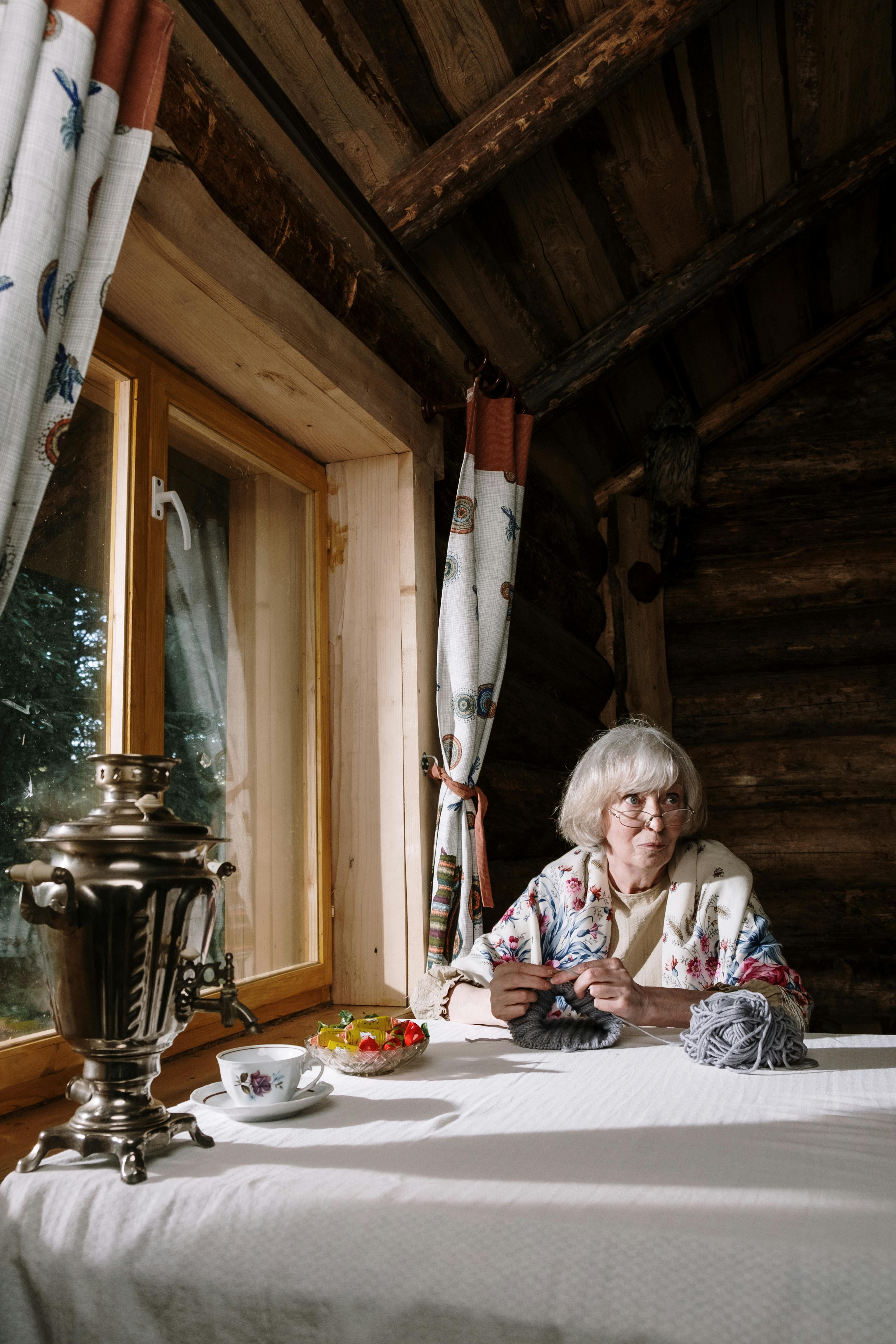
Every family has winning moments: milestones, breakthroughs, recoveries, sacrifices, achievements, and quiet acts of courage that shape how later generations understand who they are. Preserving those moments with context turns scattered memories into a living legacy of resilience, pride, and family strength.
Every family has a private archive of victories.
Some are obvious: diplomas, medals, awards, promotions, certificates, or business milestones. Others are quieter: an immigration journey, a recovery from illness, the first person in the family to study, a parent breaking a harmful cycle, or relatives coming together during a difficult year.
These moments matter because they teach future generations what the family has already survived, built, learned, and achieved.
But in the digital age, family wins are easy to lose. A photo stays buried in a phone. A certificate sits in a drawer. A video is trapped on an old device. A story lives only in one elder’s memory. Social media may show the celebration, but not the struggle behind it.
That is why family achievements need more than storage.
They need context, structure, privacy, and storytelling.
A winning moment is any event, decision, or achievement that changed someone’s life or strengthened the family story.
It does not need to be public or impressive to outsiders.
A win can be:
Some wins belong to one person. Others belong to the whole family.
A scholarship may reflect a student’s work, but also a parent’s sacrifice. A small business may represent one founder’s risk, but also the support of relatives. A migration story may belong to grandparents, but its impact reaches children and grandchildren.
Family wins are rarely isolated. They are connected to relationships, values, and long-term consequences.
Winning moments build identity.
When younger generations know what their family has overcome and achieved, they gain more than information. They gain models of resilience.
A child who knows that a grandparent rebuilt life after migration may feel more capable during uncertainty. A teenager who learns that a parent struggled before succeeding may feel less alone in failure. An adult who discovers a family pattern of courage, education, creativity, or service may understand their own values more clearly.
Family wins also balance the family narrative.
Every family has hardship. But if only pain is remembered, younger generations may inherit fear. If only polished success is remembered, they may inherit pressure. A healthy family legacy preserves the full story: struggle, effort, support, failure, growth, and achievement.
Phones, cloud folders, and social media are useful for capturing moments. But they are not designed for legacy.
A phone gallery may preserve thousands of photos, but it does not explain which ones matter. A cloud folder may store files safely, but not connect them to people, dates, values, and stories. A social media post may capture applause, but not the private journey behind the milestone.
The result is digital fragmentation.
A photo of someone holding a diploma is meaningful only if future generations know what it took to earn it.
A document proves an achievement. A story explains why it mattered.
You do not need to preserve every minor event.
Start with moments that changed a person’s direction, reflected family values, or could inspire future generations.
Ask:
Store your most cherished memories and heritage safely on Heirloom.
Preserve our memoriesIf the answer is yes, it likely belongs in your family legacy.
A winning moment becomes legacy when it is explained.
A strong family achievement story usually answers:
For example, instead of writing:
“David graduated from university in 1998.”
Preserve the fuller story:
“David became the first person in the family to graduate from university in 1998. His parents worked extra shifts to support him, and his grandmother helped care for younger siblings during exams. For the family, the graduation represented not only education, but sacrifice, hope, and a belief that the next generation could go further.”
That is the difference between a fact and a legacy.
Preserving family wins should not fall only on one person.
Different generations hold different pieces of the story.
Older relatives may remember context. Younger relatives may have photos and technical skills. Children may add fresh reflections. Siblings may remember different emotions. Mentors, teachers, friends, or chosen family may also be part of the achievement.
Ways to involve family members:
This turns preservation into connection.
MyHeirloom helps families turn scattered achievements into an organized, meaningful Legacy Room.
It does not simply store files. It connects memories to stories, people, timelines, documents, and family relationships.
Legacy Room
The Legacy Room is the central home for your family’s stories, milestones, documents, media, and memories.
Instead of leaving achievements scattered across phones, cloud folders, paper boxes, and social media, you can bring them into one structured place.
Keepsakes
Keepsakes are ideal for preserving winning moments.
A Keepsake can include:
A graduation, migration journey, recovery milestone, business success, or family breakthrough can each become a rich multimedia Keepsake.
Life Timeline
Life Timeline places dated Keepsakes in chronological order.
This helps future generations see how family wins unfolded over time. They can understand not only individual moments, but the larger arc: migration, education, business, recovery, caregiving, creativity, and resilience across generations.
My Tribe and Family Tree
My Tribe connects achievements to the people who shaped them: relatives, friends, mentors, caregivers, teachers, and chosen family.
Family Tree shows how those achievements fit into the broader family line.
Together, they prevent family wins from becoming isolated stories. They show the network of support behind them.
Family Cookbook
Many family wins are celebrated through food.
A graduation cake, holiday meal, recovery dinner, or traditional recipe can become part of the Family Cookbook, with the story behind the dish preserved alongside ingredients and instructions.
DocuVault
Create a digital legacy that your children and grandchildren will be proud of.
Create a family legacySome achievements involve sensitive or important documents.
DocuVault can help store copies of diplomas, licenses, property records, business documents, medical summaries, letters, or other private materials with stronger protection and controlled access.
MyHeirloom does not replace legal, medical, or professional advice, but it can help families organize important records with context.
Weaver
Weaver helps turn memories into stories through guided prompts.
This is useful when someone knows a moment mattered but does not know how to write about it.
Weaver can help ask:
Start with three family wins.
Choose one from the past, one from the present, and one quiet win that may otherwise be forgotten.
For each one, collect:
Then create a Keepsake for each inside MyHeirloom.
You can start for free and build gradually. A meaningful legacy does not need to be completed all at once.
The winning moments of your family line deserve more than scattered photos and fading memories.
They deserve context.
They deserve names, dates, relationships, documents, voices, emotions, and stories.
A family win is not only an achievement. It is evidence of what your family has carried: courage, perseverance, creativity, sacrifice, care, faith, education, recovery, service, and hope.
MyHeirloom helps preserve these moments in a structured Legacy Room, where Keepsakes, Life Timeline, My Tribe, Family Tree, Family Cookbook, DocuVault, and Weaver work together to turn family achievements into a meaningful digital legacy.
Start small.
Choose one win. Tell the story. Add the photo. Record the voice. Preserve the document. Connect it to the people who made it possible.
Over time, those small acts become something powerful: a record of strength across generations.
1. What counts as a winning moment in a family?
A winning moment is any achievement, breakthrough, recovery, decision, or milestone that shaped a person’s life or strengthened the family story. It can be public, like a graduation, or private, like healing, sobriety, caregiving, migration, or breaking a harmful pattern.
2. How is MyHeirloom different from a cloud folder?
A cloud folder stores files. MyHeirloom preserves legacy. It connects photos, documents, audio, video, stories, people, dates, relationships, recipes, and sensitive records inside one structured Legacy Room.
3. What if my family’s achievements do not seem impressive?
They do not need to be impressive to outsiders. If a moment reflects courage, resilience, love, growth, sacrifice, or change, it is worth preserving for future generations.
4. Can I preserve achievements of someone who has passed away?
Yes. You can create Keepsakes about a deceased relative, connect them to My Tribe and Family Tree, and preserve their photos, documents, stories, and recordings as part of your Legacy Room.
5. Where should sensitive records connected to achievements be stored?
Sensitive materials such as diplomas, licenses, medical summaries, property records, or private letters can be stored in DocuVault, which is designed for important documents and controlled access.
6. How do I begin if everything is scattered across phones, boxes, and cloud accounts?
Start with one achievement. Gather one photo or document, write a short story, name the people involved, add the date, and create one Keepsake. Then repeat gradually.

MyHeirloom gives you a dedicated Legacy Room—a private, secure space to collect photos, videos, documents, and stories.
Start now for free