
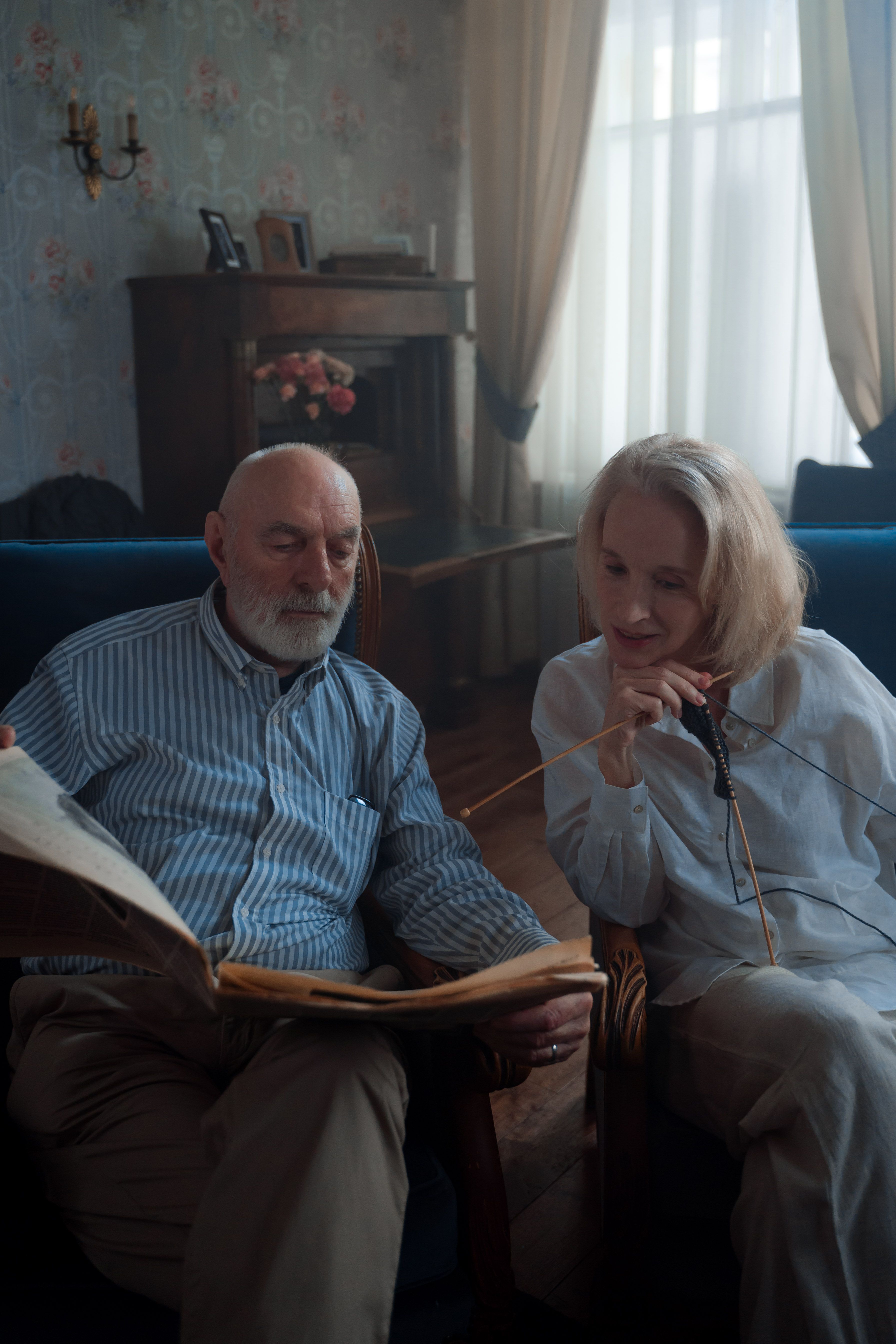
Every family has heroes: not always famous, not always perfect, and not always obvious. They may be grandparents, parents, distant ancestors, caregivers, migrants, survivors, reformers, or quiet protectors whose choices shaped the family line. When you preserve their stories, you give future generations more than history — you give them courage.
When we think of heroes, we often imagine epic figures: warriors, rebels, rescuers, or visionaries who changed the world.
But in family history, heroism is usually quieter.
It may look like a grandmother rebuilding her life after loss. A great-grandfather leaving everything familiar to protect his children. A parent working multiple jobs with no applause. A relative choosing integrity when it cost them something. A caregiver holding the family together during illness, poverty, migration, grief, or conflict.
These people may never appear in history books.
But they are often the figures whose stories shape us most.
The hero archetype is a timeless story pattern: someone faces a challenge, crosses into uncertainty, endures trials, changes through the experience, and brings something valuable back to others.
In literature, this is often called the hero’s journey.
In family life, it is not usually dramatic. It is human.
A family hero may be someone who:
The key is not perfection.
The most meaningful family heroes were often afraid, uncertain, flawed, or overwhelmed. What makes them heroic is not that they had no weakness. It is that they faced real difficulty and still found a way forward.
Family heroes show later generations what courage looks like in ordinary life.
Stories of family courage are more than nostalgia.
They help people understand who they are and what their family has already survived. When younger generations know stories of ancestors who faced hardship and persevered, they gain a stronger sense of identity, belonging, and resilience.
A family hero story can tell a child:
These stories also preserve family values.
A story about a grandmother who fed relatives during scarcity teaches generosity. A story about a grandfather who rebuilt after migration teaches adaptability. A story about a parent who apologized and changed teaches humility. A story about an aunt who cared for everyone teaches service.
Values become more powerful when they are attached to real people.
You do not need to search only for dramatic achievements.
Start by looking for turning points.
1. Look for the threshold
A threshold is the moment someone had to leave comfort, face uncertainty, or make a difficult choice.
Ask:
This threshold often marks the beginning of the family hero story.
2. Look for the trials
Hero stories are shaped by obstacles.
Ask:
The trial is not only what happened. It is how the person responded.
3. Look for transformation
The most important part of a family hero story is what changed.
Ask:
A hero story becomes legacy when the experience turns into meaning.
A single ancestor may fit several of these types.
Store your most cherished memories and heritage safely on Heirloom.
Preserve our memoriesA grandmother may be both survivor and caregiver. A father may be both builder and reformer. A distant ancestor may be remembered as a migrant, but also as a guide whose values shaped generations.
Mistake 1: treating ancestors as data
Names, dates, and places matter. But they are only the skeleton of a family story.
A birth certificate does not tell you what someone feared. A marriage record does not explain what a partnership cost or meant. A census entry does not reveal humor, faith, regret, courage, or love.
Family history becomes meaningful when facts are connected to story.
Mistake 2: preserving only polished success
Real hero stories include struggle.
If you remove fear, failure, complexity, or pain, you also remove the lesson. Future generations do not need perfect ancestors. They need human ancestors whose lives show how people grow through difficulty.
Mistake 3: waiting too long
Older relatives often hold details that are not written anywhere.
The story behind a photo. The reason someone left home. The family conflict no document explains. The private courage no one thought to record.
If these memories are not captured, they may disappear permanently.
Mistake 4: storing materials without context
A photo in a cloud folder, a letter in email, a recording on a phone, and a story told at dinner may all belong to the same ancestor.
But if they remain scattered, the story weakens.
Context is what turns fragments into legacy.
Mistake 5: looking only for famous or dramatic heroes
Most family heroes are ordinary people.
The person who stayed.
The person who cared.
The person who worked.
The person who forgave.
The person who began again.
Quiet courage is still courage.
Start with one person.
Do not try to capture the whole family at once.
Step 1: Interview living relatives
Ask open questions:
Record audio or video with permission. Voice preserves emotion in a way written notes cannot.
Step 2: Gather materials
Look for:
Do not just collect them. Add notes explaining what each item means.
Step 3: Identify the turning points
To turn scattered memories into a coherent story, all you need is to create a simple structure. Every great narrative consists of a few core elements, where you just need to answer one key question:
This simple framework helps you bring order to your memories and shape them into a powerful, meaningful narrative.
Step 4: Write it like a human story
Instead of writing only:
“Anna Nováková was born in 1924, married in 1948, and had three children.”
Write:
“Anna Nováková grew up during a period of uncertainty and scarcity. By the time she became a mother, she had already learned how quickly life could change. Her quiet strength became the emotional center of the family: she saved recipes, remembered birthdays, helped relatives through illness, and taught her children that dignity was possible even when circumstances were hard.”
The second version gives future generations something they can feel and understand.
MyHeirloom helps families preserve ancestor stories in one structured Legacy Room, instead of scattering them across phones, cloud folders, email, social media, and paper boxes.
Legacy Room
The Legacy Room is the central space for family legacy.
It can hold stories, photos, videos, documents, recordings, recipes, and reflections in one organized environment.
Keepsakes
Keepsakes are ideal for preserving family hero stories.
A Keepsake can include:
A single Keepsake can turn one ancestor’s turning point into a story future generations can revisit.
Create a digital legacy that your children and grandchildren will be proud of.
Create a family legacyWeaver
Weaver helps turn memories into meaningful stories through guided prompts.
It can help ask:
This is especially useful when the story matters, but you do not know where to begin.
Family Tree and My Tribe
Family Tree helps place each hero in the family line.
My Tribe expands the picture to include mentors, caregivers, chosen family, family friends, and other people who shaped the family’s emotional life.
Not every family hero is a direct ancestor. Some are the people who showed up when it mattered.
Life Timeline
Life Timeline helps arrange stories chronologically.
This makes it easier to see how hardship, decisions, relationships, and transformation unfolded over time.
Family Cookbook
Some family hero stories live in food.
A recipe may preserve migration, scarcity, celebration, care, or cultural identity. Family Cookbook helps preserve not only ingredients, but the story behind the dish.
DocuVault
DocuVault provides a protected space for important or sensitive materials.
This may include letters, medical history, legal documents, family conflict records, financial papers, or private writings connected to difficult family stories.
MyHeirloom does not replace legal, medical, or professional advice. But it can help preserve sensitive context responsibly.
Choose one ancestor or older relative who inspires you.
Then preserve:
Create a Keepsake in MyHeirloom and connect it to the relevant people in Family Tree or My Tribe.
You can start for free and build gradually.
One preserved story is already a meaningful legacy.
Your family’s heroes are waiting to be discovered.
They may not have been famous. They may not have thought of themselves as brave. They may have made mistakes, carried wounds, or struggled quietly.
But if they faced difficulty, made meaningful choices, protected others, rebuilt after loss, or passed down wisdom, their story matters.
Preserving these stories is not just about honoring the past. It is about giving future generations examples of courage they can carry into their own lives.
MyHeirloom helps make that possible by turning scattered memories, documents, photos, recipes, and recordings into a structured Legacy Room where family heroes can be remembered with context and care.
Start with one conversation.
One photo.
One story.
One ancestor whose courage still has something to teach.
1. What if my ancestors were ordinary people?
Ordinary people often make the most meaningful family heroes. A person who worked steadily, cared for others, survived hardship, forgave, rebuilt, or stayed faithful to their values can be deeply heroic without public recognition.
2. What if I do not have living relatives who remember the ancestor?
You can still build a story from documents, photos, public records, letters, objects, and historical context. The story may have gaps, but even partial context is better than silence.
3. How should I handle painful family stories?
Handle them with honesty, compassion, and appropriate privacy. Difficult stories often carry important lessons, but not every detail needs to be shared with everyone. Sensitive materials can be preserved carefully in DocuVault.
4. Do I need to write a long biography?
No. A short, well-contextualized Keepsake can be enough. Focus on one turning point, one value, one lesson, or one meaningful memory.
5. Can I include recipes, videos, and audio recordings?
Yes. The richest family legacies often include many formats. A recipe, voice recording, photograph, letter, or video can preserve emotional meaning that text alone may not capture.
6. How does MyHeirloom help preserve family hero stories?
MyHeirloom provides a Legacy Room where stories, photos, recordings, documents, recipes, timelines, and relationships can be organized together. Features such as Keepsakes, Weaver, Family Tree, My Tribe, Life Timeline, Family Cookbook, and DocuVault help turn scattered family memories into a coherent legacy.

MyHeirloom gives you a dedicated Legacy Room—a private, secure space to collect photos, videos, documents, and stories.
Start now for free