
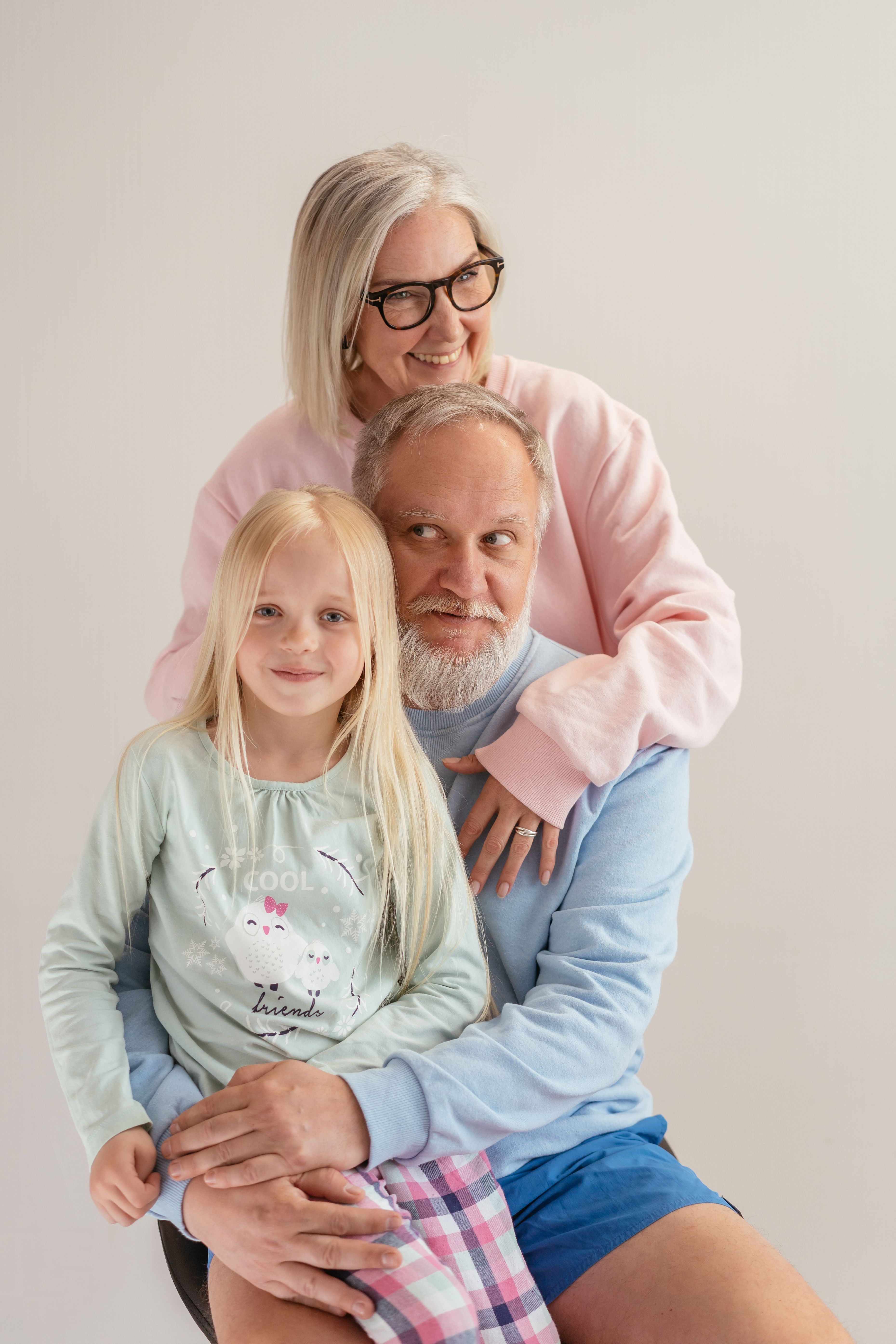
SEO title: The Power of Sunday Lunch Rituals: Why Family Meals Matter
Meta description: Discover why Sunday lunch traditions strengthen family bonds, preserve cultural identity, and create lasting memories — and how MyHeirloom helps preserve them.
Perex: Sunday lunch is more than a meal. It is a ritual of belonging, memory, culture, and connection that can shape family identity for generations.
Sunday lunch is not only about food. It is a family ritual that creates belonging, preserves cultural identity, strengthens relationships, and passes stories, values, and recipes from one generation to the next.
For centuries, families across cultures have gathered around the table on the day of rest.
In Italy, it may be a long pranzo della domenica. In Britain, a Sunday roast. In Black American communities, a church dinner rooted in history, resilience, and spiritual community. In Mexico, a comida familiar. In many homes, it may simply be soup, roast chicken, pasta, leftovers, or coffee and cake.
The form changes.
The meaning remains.
A Sunday lunch is a pause in the week. It says: this time belongs to us. It creates a rhythm where family members return to one another, stories are retold, recipes are repeated, and younger generations learn what their family values by watching what the family protects.
A meal becomes a ritual when it is repeated with intention.
Eating together is practical. Gathering together is meaningful.
Sunday lunch matters because it creates a predictable space for connection. It gives families a reason to slow down, sit together, notice one another, and share ordinary life. Over time, those ordinary moments become part of family identity.
A child may not remember every meal. But they may remember the smell of a dish, a grandparent’s voice, a joke repeated at the table, the way everyone gathered after church, or the feeling that Sunday meant family.
Family meal rituals can support:
The power of Sunday lunch is not in a perfect menu. It is in the repeated message: we gather, we remember, and we belong to one another.
Sunday meal traditions developed differently across cultures, but many share common roots: rest, faith, labor, community, and the need to protect family time.
In agrarian societies, shared meals were naturally connected to the rhythm of work and rest. As industrialization moved work outside the home, the Sunday meal became even more important. It was often the one time in the week when families could reclaim a slower, more substantial meal together.
In British culture, the Sunday roast became associated with abundance, rest, and family gathering. In Italian immigrant communities, Sunday meals often became expressions of continuity, success, and hospitality after long work weeks. In Black American history, Sunday dinners carried deep cultural and spiritual significance, shaped by church life, community, and the legacy of families creating spaces of dignity and connection despite historical oppression.
These traditions show that Sunday lunch has never been only domestic routine.
It has often been a way of saying:
Food is one of the most powerful carriers of memory.
A recipe can preserve migration, poverty, celebration, faith, grief, adaptation, love, and cultural pride. A dish may reveal where a family came from, what ingredients were available, how traditions changed in a new country, and who carried the knowledge forward.
A family recipe is never only a recipe.
It may also be:
When a grandmother teaches a child how the dough should feel, or when an uncle explains why a certain dish appears every Sunday, family history becomes embodied. It is not only heard. It is smelled, touched, tasted, and repeated.
That is why recipes should be preserved with stories, not just ingredients.
Family meals provide more than nutrition.
They create a reliable space where people can be heard.
For children, repeated rituals offer predictability. For teenagers, meals can become one of the few low-pressure moments when they speak with parents and relatives. For adults, the meal can provide reconnection after a week of stress. For older relatives, it can offer the reassurance that their presence and stories still matter.
The table becomes a place where family members notice one another.
Someone seems quieter than usual. Someone shares good news. Someone asks for advice. Someone tells a story that would not have come up in a rushed text message.
These small exchanges matter.
They create emotional knowledge inside the family: what people are facing, what they need, what they remember, and how they are changing.
Many families value shared meals, but struggle to maintain them.
Store your most cherished memories and heritage safely on Heirloom.
Preserve our memoriesModern schedules are fragmented. Work may spill into weekends. Children have activities. Relatives live far apart. Cooking skills may not have been passed down. Screens compete for attention. Economic pressure can make food preparation stressful. Single parents or caregivers may carry too much of the work alone.
There is also a cultural shift.
Time is often valued by productivity. Slow meals can feel inefficient. Sitting together without multitasking may feel almost countercultural.
But that is exactly why these rituals matter.
A Sunday lunch says that not everything valuable can be measured by output. Some of the most important family work happens slowly: through listening, repeating, remembering, feeding, and showing up.
The strongest family rituals are not always elaborate.
They are sustainable.
Do not begin with perfection. Begin with consistency.
A family that gathers every Sunday over sandwiches and soup may preserve more meaning than a family that plans elaborate meals but rarely actually meets.
Consistency matters more than ceremony.
Sunday lunch traditions often feel permanent while they are happening.
But they are fragile.
The person who knows the recipe may not have written it down. The story behind the dish may live only in one elder’s memory. The photo of the table may remain in a phone with no names or date. The reason a family gathers in a certain way may become unclear within one generation.
Preserve more than the meal.
Preserve:
A family cookbook should not only teach someone how to cook.
It should teach them why the dish mattered.
MyHeirloom helps families preserve rituals, recipes, stories, photos, and relationships in one structured Legacy Room.
Instead of leaving family meal memories scattered across phones, paper recipe cards, cloud folders, message threads, and fading recollections, MyHeirloom brings them together with context.
Legacy Room
The Legacy Room is the central space for family legacy.
It can hold Sunday lunch stories, photos, videos, recordings, recipes, documents, and reflections that explain what the ritual meant and how it shaped the family.
Family Cookbook
Family Cookbook is ideal for preserving recipes with their stories.
You can document:
This turns food into cultural and emotional inheritance.
Keepsakes
Keepsakes help preserve individual meal memories.
A Keepsake might capture:
A photo becomes more powerful when it is paired with names, dates, voices, and meaning.
Weaver
Weaver helps families reflect on which traditions matter most.
It can guide prompts such as:
Family Tree and My Tribe
Family Tree connects recipes and rituals to generations.
My Tribe expands the story to include chosen family, neighbors, caregivers, friends, godparents, and others who gathered at the table and shaped family life.
Food traditions are often relational, not only biological.
Life Timeline
Life Timeline helps preserve how the tradition changed over time.
You can record when Sunday lunches moved homes, when a new family member joined, when a recipe changed, or when a new generation began hosting.
DocuVault
DocuVault can help store practical or sensitive information connected to family meals, such as dietary needs, allergies, hosting instructions, or important planning notes.
Create a digital legacy that your children and grandchildren will be proud of.
Create a family legacyMyHeirloom does not replace medical, legal, or professional advice. But it can help families organize meaningful and practical information with care.
Start with one meal.
You can start for free with MyHeirloom by preserving one recipe, one Sunday lunch photo, or one story from the table.
Mistake 1: preserving only ingredients
Ingredients matter, but they are not the whole tradition.
Add the story: who made the dish, when it appeared, what it meant, and why the family loved it.
Mistake 2: waiting until the main cook is gone
If a parent, grandparent, aunt, uncle, or family friend knows the recipe by heart, record them now.
Even an imperfect video is better than losing the knowledge completely.
Mistake 3: making the ritual too hard to repeat
A tradition that depends on perfection may not survive.
Let the next generation adapt the form while preserving the meaning.
Mistake 4: letting screens replace presence
Phones at the table can weaken the emotional attention that makes the ritual powerful.
Create at least part of the meal as device-free time.
Mistake 5: assuming children do not care
Children may not always show interest in the moment.
But repeated family rituals often become some of the strongest memories they carry into adulthood.
Sunday lunch means more than food.
It is a ritual of belonging. A protected pause. A family memory container. A place where recipes, stories, humor, values, and cultural identity are passed from one generation to the next.
In a fragmented world, gathering around the table is a quiet act of resistance.
It says that family time matters.
That stories matter.
That recipes matter.
That presence matters.
That the ordinary moments are worth preserving.
But these rituals do not preserve themselves.
Recipes fade. Photos lose context. Stories disappear. The person who knows the exact method may not always be there to explain it.
MyHeirloom helps families preserve Sunday lunch traditions in one meaningful Legacy Room, connecting Family Cookbook, Keepsakes, Weaver, Life Timeline, Family Tree, My Tribe, and DocuVault so that meals become more than memories.
They become legacy.
Start with one meal.
One recipe.
One photo.
One voice.
One Sunday lunch worth remembering.
1. Why does Sunday lunch matter so much?
Sunday lunch creates a regular moment of connection, storytelling, belonging, and family identity. It helps preserve recipes, values, memories, and relationships across generations.
2. Does a family meal have to be elaborate to count as a ritual?
No. The meaning comes from consistency and intention, not complexity. A simple weekly meal can be just as meaningful as a formal Sunday lunch.
3. What if my family did not have Sunday lunch traditions before?
You can start now. A new tradition becomes real when it is repeated, valued, and passed on. Future generations may remember it as part of their family identity.
4. How can I preserve a family recipe properly?
Record the ingredients and method, but also preserve the story: who made it, when it was served, what it meant, and what memories are connected to it.
5. What if my family lives far apart?
You can adapt the ritual. Try monthly gatherings, shared recipe days, video meals, or rotating hosts. The goal is consistent connection, not perfect form.
6. How does MyHeirloom help preserve Sunday lunch traditions?
MyHeirloom helps families preserve recipes, photos, videos, audio recordings, stories, relationships, and timelines in one Legacy Room. Family Cookbook and Keepsakes are especially useful for turning meals into meaningful family legacy.
7. What is the easiest way to start?
Choose one meaningful meal. Add a photo, write down the recipe, record someone explaining why it matters, and save it as a Keepsake or Family Cookbook entry.

MyHeirloom gives you a dedicated Legacy Room—a private, secure space to collect photos, videos, documents, and stories.
Start now for free